Lotus Elise S1 1998 review
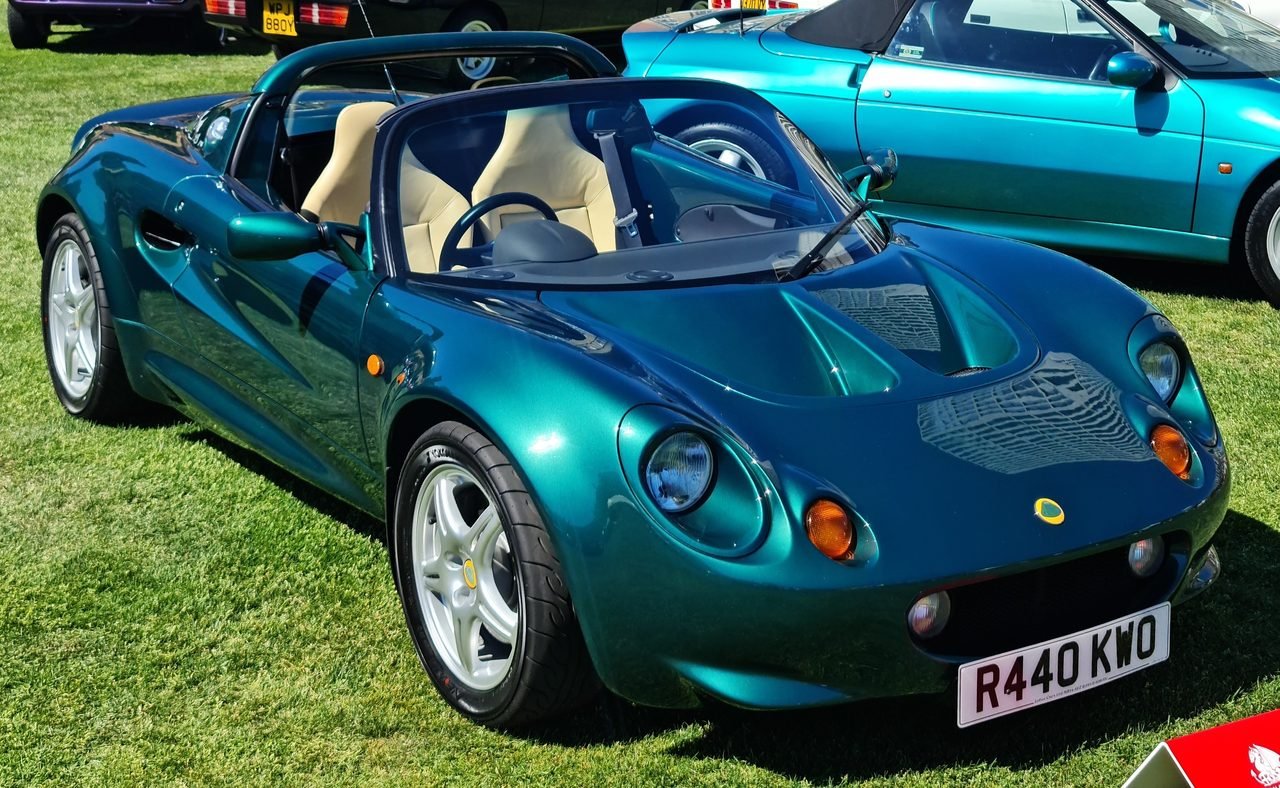
Photo: MrWalkr (CC BY-SA 4.0), via Wikimedia Commons
Overview
The Series 1 Lotus Elise, launched at the 1995 Frankfurt Motor Show, is the car that saved Lotus. Its secret was radical lightness: a bonded and riveted extruded-aluminium chassis clothed in glassfibre bodywork, tipping the scales at just 725kg. With a humble 118bhp Rover K-series engine mounted amidships, it needed nothing more to deliver supercar agility.
Behind the wheel the S1 is pure analogue joy. There is no power steering, no ABS and no traction control — just unassisted steering of go-kart directness, double-wishbone suspension that breathes with British B-roads, and a chassis balance that flatters without ever feeling numb. It remains one of the all-time great driver''s cars.
Buyers must be vigilant about the chassis. Check for crash damage and poor repairs to the aluminium tub, inspect the front clam for fibreglass repairs, and look for rust on steel suspension components and mounts. The K-series head gasket is a known weakness — look for coolant loss, mayonnaise under the oil cap and evidence of an upgraded multi-layer gasket. Early cars have exotic Metal Matrix Composite brake discs; later cast-iron discs are cheaper to replace.
UK price from: £16,000
Specifications
| Engine | 1.8L Rover K-series DOHC 16v petrol |
| Power | 118 bhp (87 kW) |
| 0-60 mph | 5.8 seconds (approx.) |
| Top speed | 124 mph |
| Production years | 1996-2001 |
| Kerb weight | 725 kg |
| Transmission | 5-speed manual |
| Drive | Mid-engine, rear-wheel drive |
| Fuel economy | 35 mpg (combined, approx.) |
| Length | 3,726 mm |
Features
- Bonded extruded-aluminium chassis
- Glassfibre composite bodywork
- Mid-mounted 1.8L Rover K-series engine
- Unassisted rack-and-pinion steering
- Double-wishbone suspension front and rear
- No ABS or traction control — pure analogue driving
- Removable canvas soft top
- Metal Matrix Composite brake discs (early cars)
Common parts & prices
| Part | Price (GBP) | Notes |
|---|---|---|
| Head gasket kit (uprated MLS) | £89.99 | Multi-layer steel; the essential K-series fix |
| Front brake discs (pair, cast iron) | £119.99 | Replacement for original MMC discs |
| Replacement soft-top hood | £349.99 | Canvas; check frame condition before ordering |
| Oil filter | £7.99 | For 1.8 K-series engines |
| Front shock absorber (Bilstein) | £129.99 | Single unit; OE-spec replacement |
| Aluminium radiator (uprated) | £189.99 | Replaces failure-prone plastic original |
Pros
- Possibly the finest-handling road car ever made
- Featherweight 725kg chassis makes 118bhp feel ample
- Affordable running gear shared with mainstream Rovers
- Values of good S1s are climbing strongly
Cons
- K-series head gasket failures are common
- Chassis crash damage is hard and expensive to repair
- Getting in and out requires genuine flexibility
- Lotus-specific trim parts can be pricey and scarce
Frequently asked questions
Is the K-series head gasket really that bad?
How do I check an Elise chassis for crash damage?
Elise S1 or the later 111S?
Are Lotus Elise parts expensive?
Can you use an Elise S1 every day?
Owner reviews
Write your review
Related cars