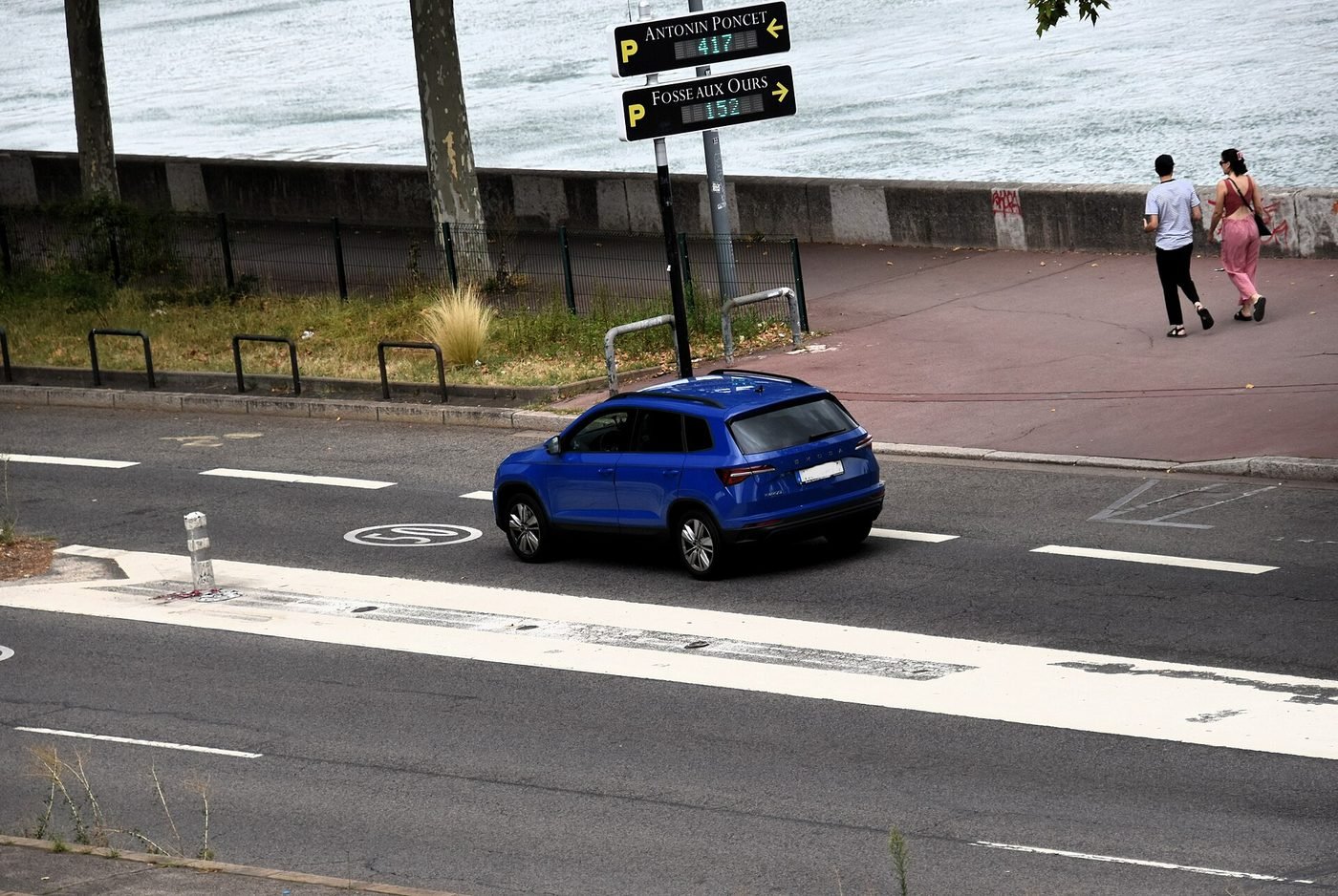
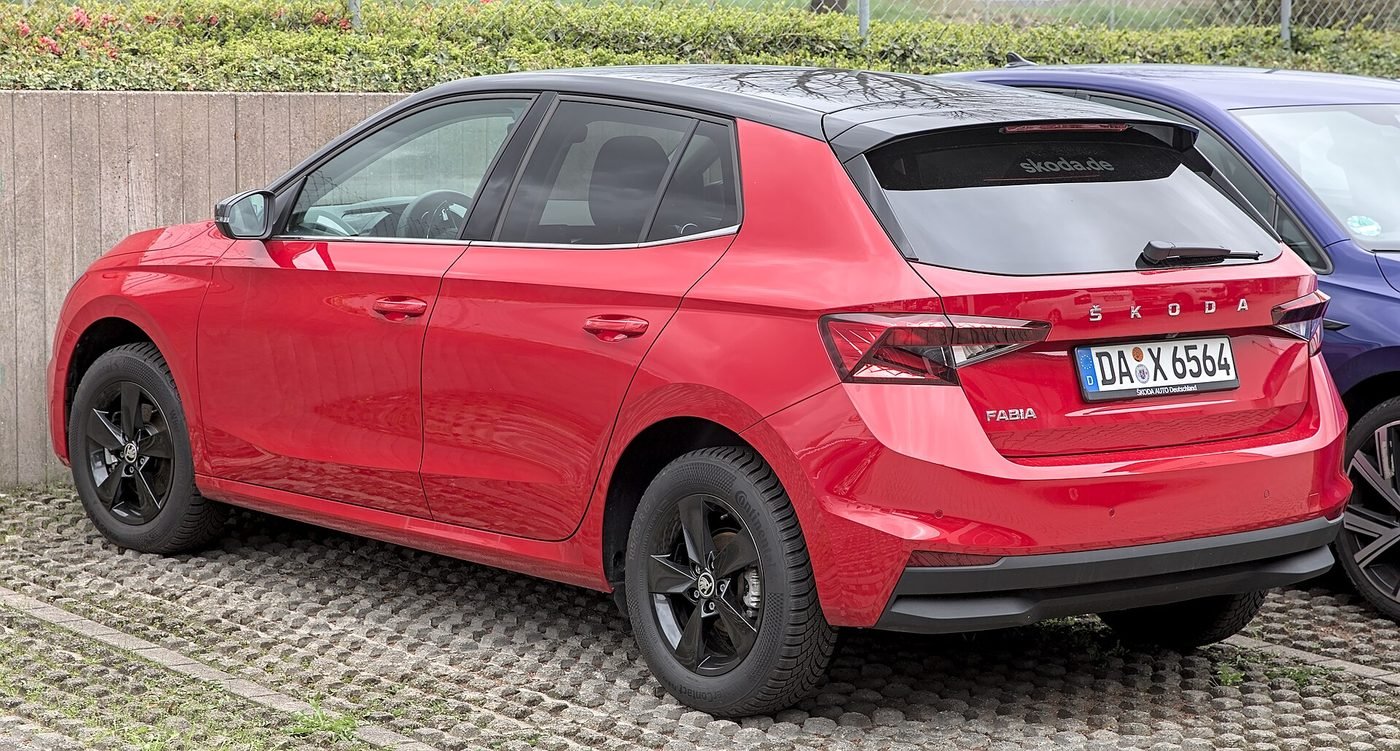
Skoda Superb 2023 review
Overview
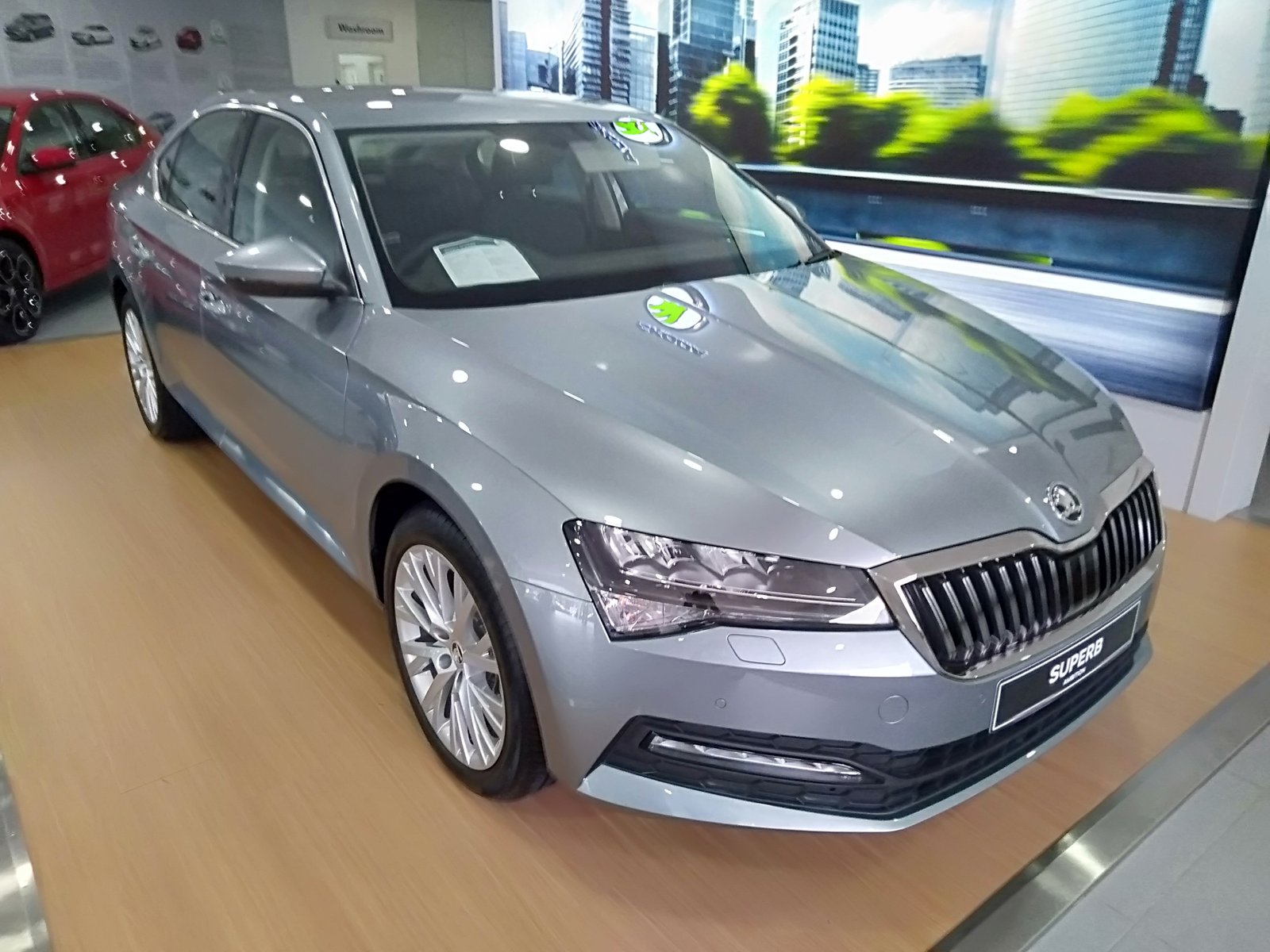
A 2023 Skoda Superb needs one clarification before anything else: it is normally the third-generation facelift car, not the all-new fourth generation that arrived for late 2023 and 2024. That is good news for used buyers, because the Mk3 facelift is a known quantity — a huge, comfortable, sensibly priced family car whose only real problem is that Skoda never shouted about it loudly enough. The core UK petrol is the 1.5 TSI ACT 150PS SE Technology hatchback, priced at £30,215 when new, with a 1,498cc turbo petrol engine that shuts down cylinders when cruising to save fuel.
The numbers explain the appeal. The 1.5 TSI produces 150 PS and 250 Nm, covers 0-62 mph in 9.1 seconds and tops out at 138 mph, while returning 44.8 to 46.9 mpg combined on the WLTP cycle with 137 to 143 g/km of CO2. The six-speed manual is the sweet, low-fuss choice, with a seven-speed DSG automatic available for town-heavy drivers. And then there is the space: 625 litres of hatchback boot, expanding to 1,760 litres with the seats down, plus rear legroom that embarrasses cars costing twice as much. The Estate alternative stretches that to 660 litres, or 1,950 litres seats down.
Trim levels on facelift cars centre on SE Technology, SE L, SportLine Plus and Laurin and Klement, and the range logic is simple: the 1.5 TSI suits most drivers, the 2.0 TDI 150 is the high-mileage alternative at around 65.7 mpg in Auto Express testing, and the iV plug-in hybrid suits company-car drivers with home charging, albeit with a smaller 485-litre hatch boot. Warranty when new was three years or 60,000 miles, and the Mk3 holds a five-star Euro NCAP rating from its 2015 test.
Check the car, not just the badge. DSG cars need a careful low-speed test for jerky crawling or hesitation, and a full DSG oil and filter history matters. On 2.0-litre petrols, ask about coolant leaks from the thermostat and water-pump housing, and on TDIs ask about EGR and DPF health if the car has lived on short trips. Test every electrical function, from parking sensors to the infotainment screen, and check the boot well and sunroof drains for water ingress. Verify by VIN that the car in front of you really is the Mk3 facelift, and the 2023 Superb is one of the most rational used buys in Britain: enormous, comfortable, economical enough, and far cheaper than the premium badges it quietly out-spaces.
UK price from: £30,215
Specifications
| Engine | 1,498cc 4-cylinder turbo petrol, ACT cylinder deactivation |
| Power | 150 PS (147 bhp) |
| Torque | 250 Nm at 1,500 rpm |
| Gearbox | 6-speed manual (7-speed DSG automatic available) |
| Drive | Front-wheel drive |
| 0-62 mph | 9.1 seconds |
| Top speed | 138 mph |
| Fuel economy | 44.8-46.9 mpg combined (WLTP) |
| CO2 emissions | 137-143 g/km (WLTP) |
| Boot space | 625 litres (1,760 litres seats down); Estate 660 litres |
| Kerb weight | 1,393 kg (hatchback) |
| Insurance group | 20E |
| Warranty | 3 years / 60,000 miles when new |
| Euro NCAP | 5 stars (2015 Mk3 test) |
Features
- 1.5-litre TSI petrol with ACT cylinder deactivation (150 PS, 250 Nm)
- Six-speed manual gearbox as standard, seven-speed DSG automatic available
- Huge 625-litre hatchback boot, expanding to 1,760 litres with the seats folded
- Estate alternative with a 660-litre boot (1,950 litres seats down)
- 2.0 TDI 150 alternative for high-mileage drivers, plus an iV plug-in hybrid option
- Class-leading rear legroom and a calm, comfortable motorway ride
- SE Technology, SE L, SportLine Plus and Laurin and Klement trims on facelift cars
- Five-star Euro NCAP foundations from the 2015 Mk3 test
Common parts & prices
| Part | Price (GBP) | Notes |
|---|---|---|
| Front brake pads (set) | £54.99 | Typical retail; pattern part |
| Front brake discs (pair) | £94.99 | Typical retail; pattern part |
| Oil filter | £11.99 | |
| Engine air filter | £18.99 | |
| Cabin pollen filter | £19.99 | |
| Front wiper blades (pair) | £26.99 |
Pros
- Enormous space for the money: 625 litres of hatch boot and limousine rear legroom
- The 1.5 TSI is flexible and frugal, at 44.8 to 46.9 mpg combined on WLTP figures
- A genuinely comfortable long-distance car, quiet and settled at motorway speeds
- Sensible used prices against premium rivals, with a practical hatch or estate choice
- The 2.0 TDI 150 gives high-mileage drivers a 60-plus mpg alternative in the same body
Cons
- DSG cars need a careful low-speed test: jerky crawling or hesitation means walk away or budget for investigation
- Coolant leaks from the thermostat and water-pump housing are reported on 2.0-litre petrols
- Occasional infotainment, sensor and window-switch glitches: test every function before buying
- The five-star NCAP rating dates from 2015, so judge it against cars of the same era, not new 2026 tests