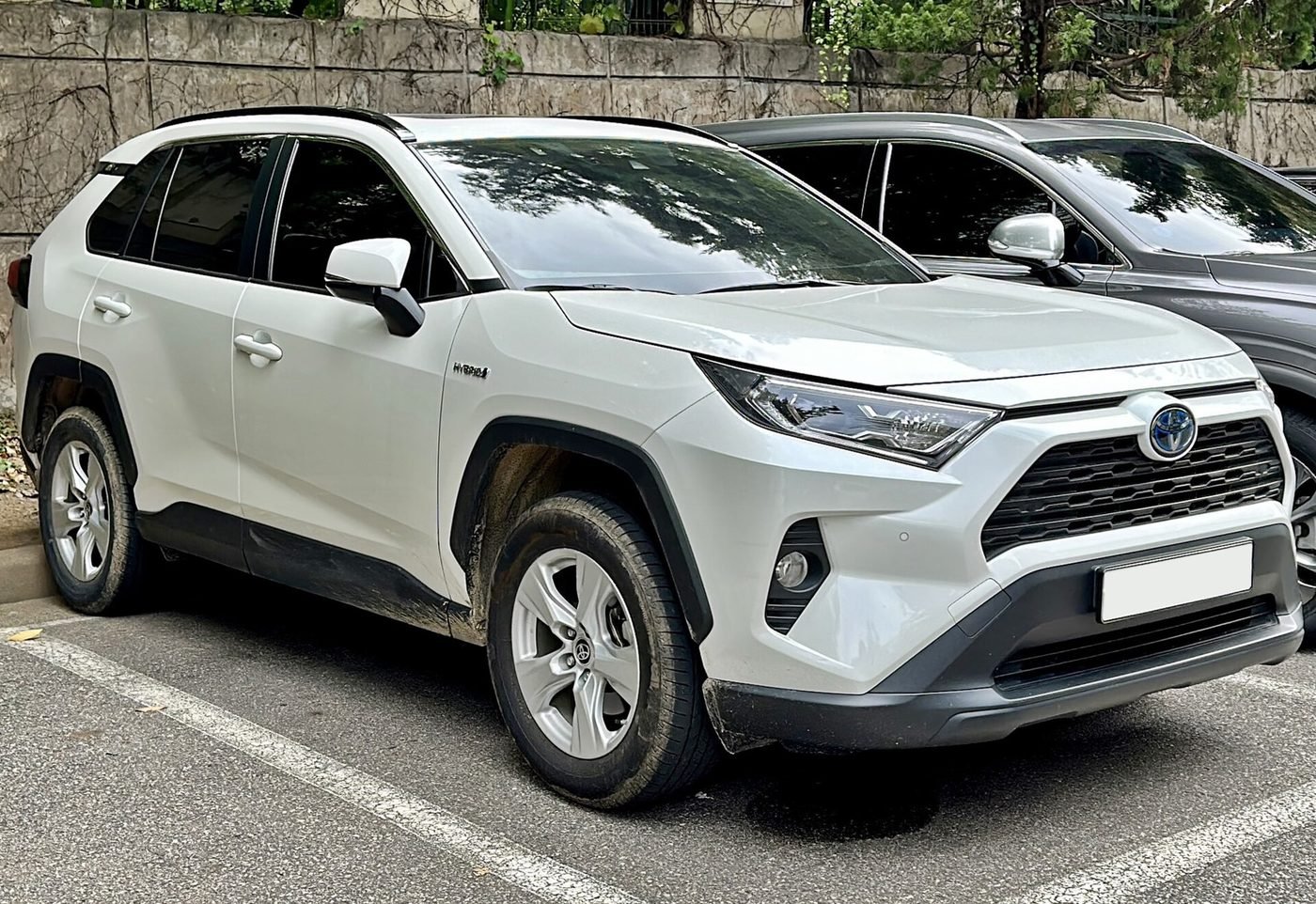
Toyota C-HR 2024 review
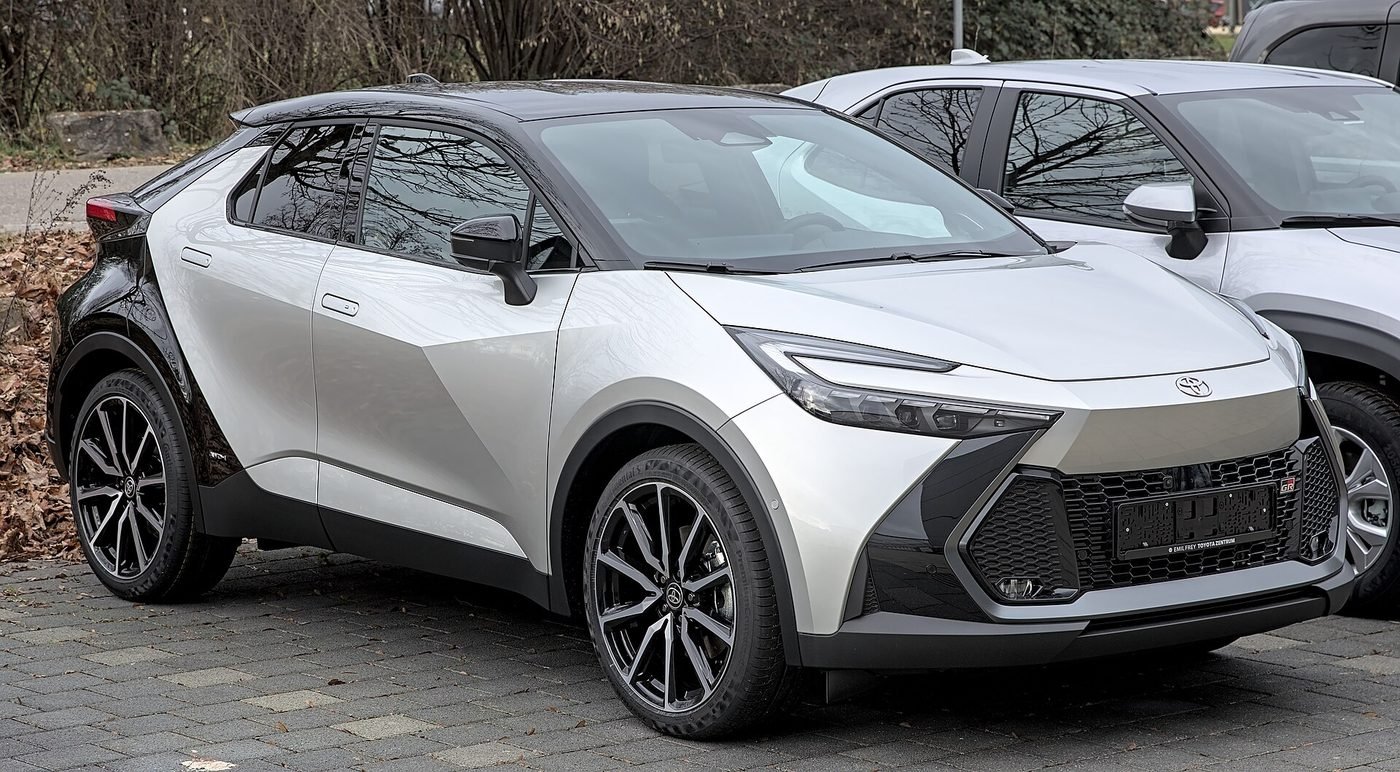
Photo: Alexander-93 (CC BY-SA 4.0), via Wikimedia Commons
Overview
The Toyota C-HR has always been the style-led choice in the small SUV class, and the second-generation model sharpens that appeal. Built in Britain at Toyota's Burnaston plant in Derbyshire, it is a car with genuine UK credentials. The dramatic coupe-like silhouette hides a practical family crossover with a choice of two self-charging hybrids: a 1.8-litre with 140PS or a 2.0-litre with 197PS, the latter adding welcome pace for motorway work.
Efficiency is the headline act. The 1.8 hybrid returns up to 58.9mpg on the WLTP cycle with CO2 as low as 108g/km, making it one of the cheapest cars in its class to run — and one of the cheapest to tax, with low VED and attractive benefit-in-kind rates for company car drivers. The cabin feels modern and well built, with a 12.3-inch driver display and an 8-inch or 12.3-inch central touchscreen depending on trim.
Trims span Icon, Design, Excel and GR Sport, the sportier GR Sport adding sharper styling and firmer suspension. Rivals include the Honda HR-V, Nissan Qashqai and Kia Niro. Toyota's hybrid system is proven over millions of cars, servicing is affordable, and the warranty can stretch to 10 years with main-dealer servicing — a compelling package for buyers who value low running costs and peace of mind.
UK price from: £31,000
Specifications
| Engine | 1.8-litre petrol hybrid |
| Power | 140PS |
| 0-60 mph | 9.9 seconds |
| Top speed | 109 mph |
| Fuel economy | 58.9 mpg (WLTP combined) |
| CO2 | 108 g/km |
| Boot space | 310 litres |
| Length | 4,360 mm |
| Transmission | e-CVT automatic |
| Drive | Front-wheel drive |
Features
- Choice of 1.8 (140PS) and 2.0 (197PS) self-charging hybrid powertrains
- Up to 58.9mpg combined with CO2 from 108g/km
- 12.3-inch digital driver display and up to 12.3-inch touchscreen
- Wireless Apple CarPlay and Android Auto connectivity
- Toyota Safety Sense 3.0 with adaptive cruise and lane tracing
- GR Sport trim with sporty styling and tuned suspension
- Heated front seats, heated steering wheel and dual-zone climate
- Built in the UK at Toyota's Burnaston factory
Common parts & prices
| Part | Price (GBP) | Notes |
|---|---|---|
| Front brake pads (pair) | £49.99 | Genuine Toyota pads; pattern parts from £22.99 |
| Oil filter | £11.99 | Genuine Toyota filter; service every 10,000 miles |
| Hybrid battery cooling filter | £14.99 | Keep clean to protect the traction battery |
| Wiper blades (pair) | £22.99 | 28in driver / 14in passenger flat blades |
| 12V auxiliary battery | £129.99 | Absorbent glass mat type for hybrid system |
| Alloy wheel (18in, single) | £249.99 | Genuine Toyota wheel; refurbished from £89.99 |
Pros
- Exceptional fuel economy with no need to plug in
- Distinctive, head-turning design inside and out
- Strong company-car appeal thanks to low BIK tax
- Toyota's proven hybrid reliability and long warranty
Cons
- Rear visibility is poor due to the coupe roofline
- Rear doors feel narrow for fitting child seats
- Boot space of 310 litres trails more practical rivals
- 2.0-litre version is noticeably pricier
Frequently asked questions
Which Toyota C-HR engine should I choose: 1.8 or 2.0?
Is the Toyota C-HR cheap to run as a company car?
Is the Toyota C-HR practical for families?
Where is the Toyota C-HR built?
Owner reviews
Write your review
Related cars

Toyota Yaris 2024
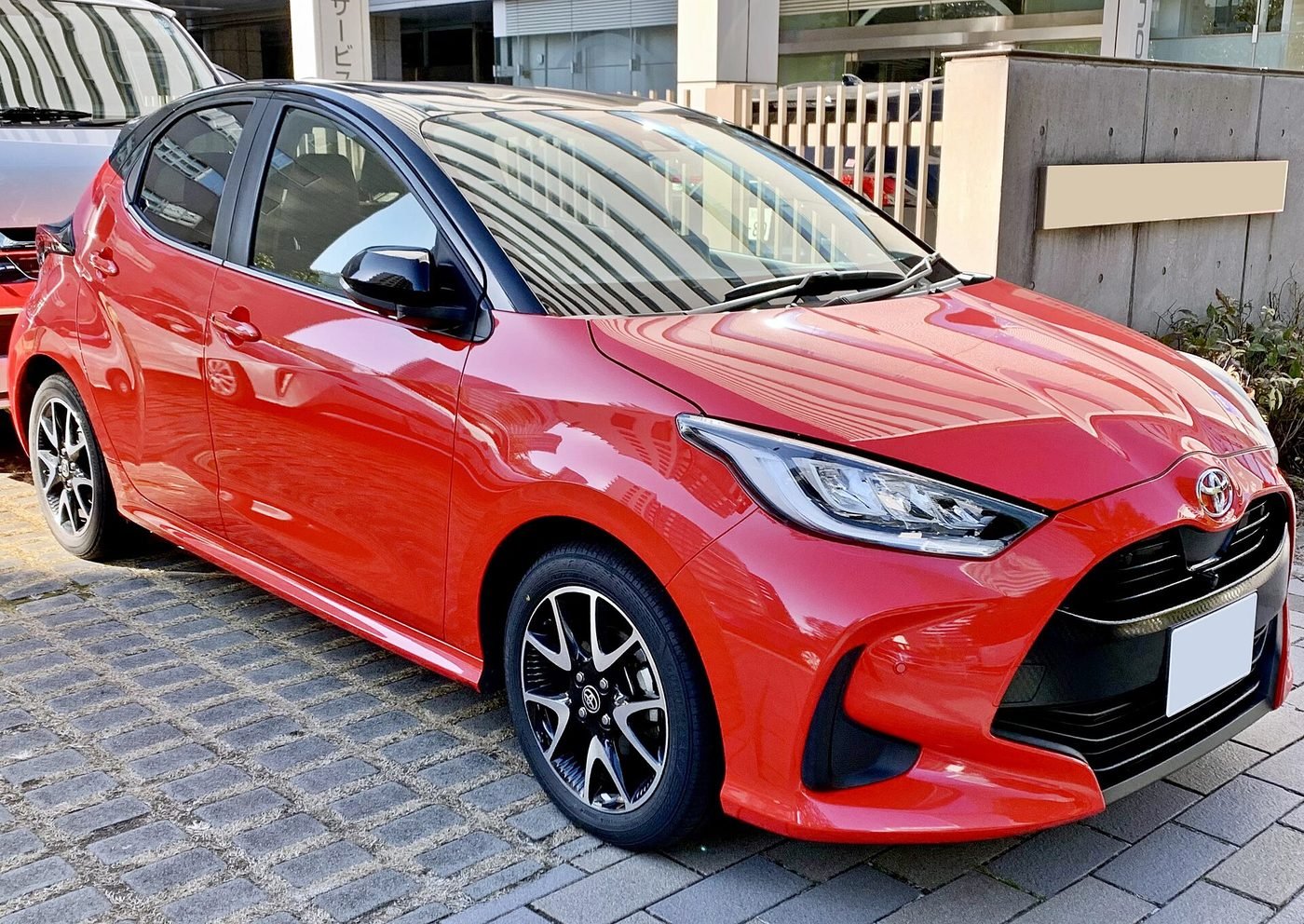
Toyota Yaris Hybrid 2024
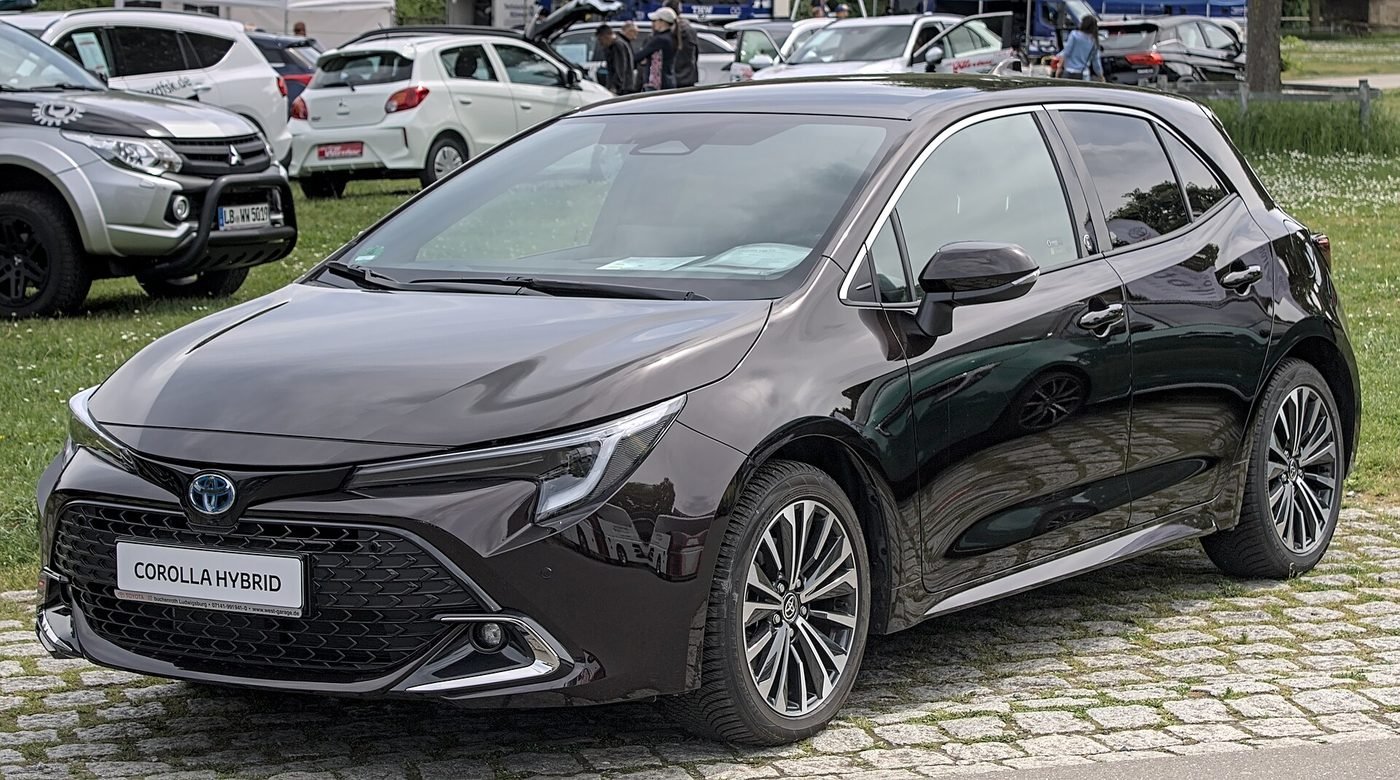
Toyota Corolla 2024