Toyota Yaris 2016 review
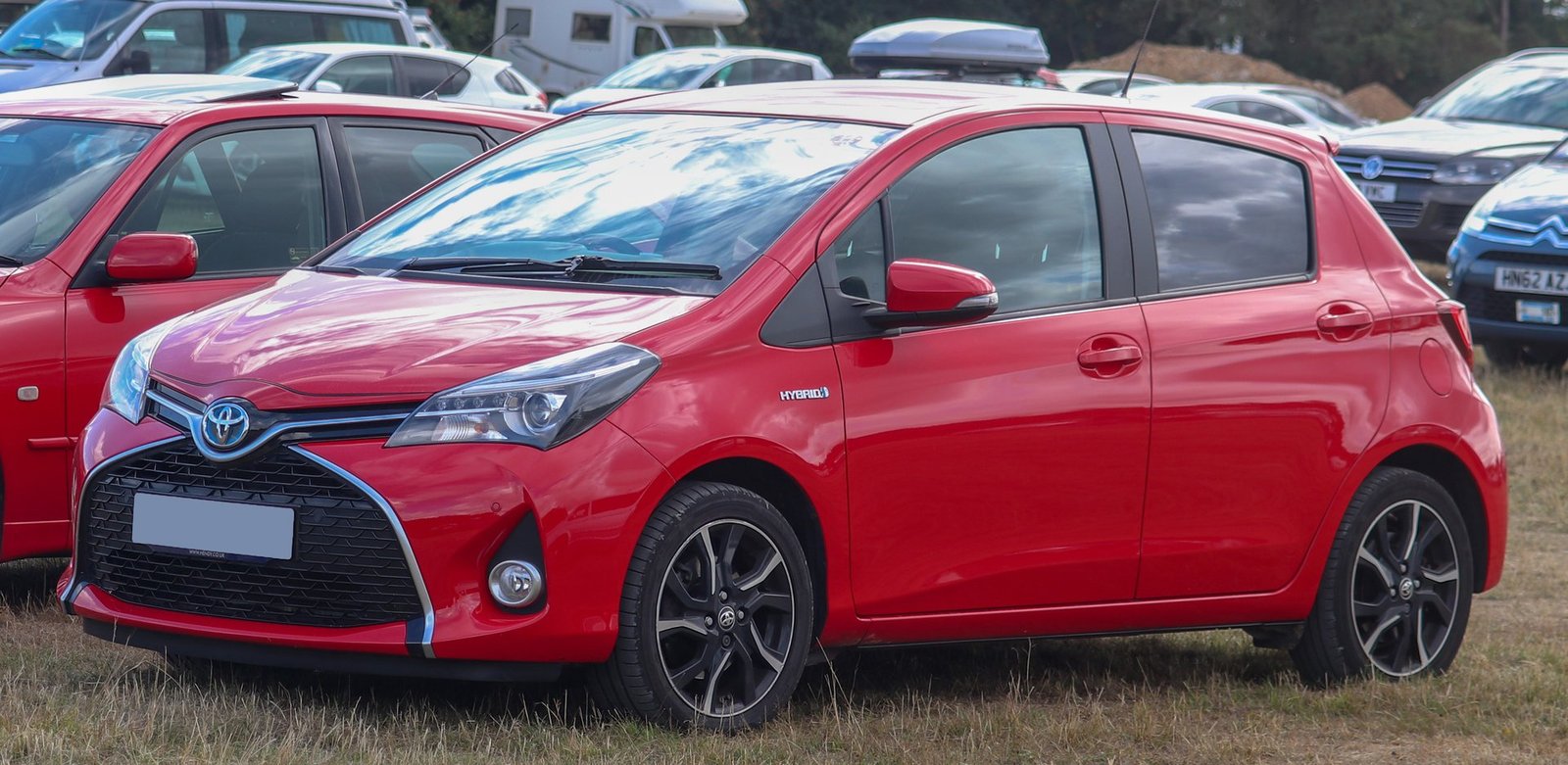
Overview
The third-generation Yaris was the supermini that made hybrid power normal in Britain, and the 2016 car is the sweet spot: the Icon TSS trim added Toyota Safety Sense, the pack of pre-collision, lane-departure and auto-high-beam tech that defines the 2016 model year. The 1.5 Hybrid Icon TSS five-door cost £17,415 when new, sitting in the middle of a hybrid range that ran from £15,295 to £17,795.
Its 1,497cc 1NZ-FXE petrol engine works with an electric motor for a system output of 100 PS, with 111 Nm from the petrol engine, and it reaches 62 mph in 11.8 seconds. Official economy was 85.6 mpg combined on the old NEDC test, with 75 g/km of CO2 on 15-inch wheels, which meant Band A VED of £0 a year for cars registered before 1 April 2017, plus congestion-charge exemption in London at the time. The e-CVT automatic is the only gearbox on the hybrid, and drive goes to the front wheels.
Practicality is strong for the class. The boot holds 286 litres with the seats up and 768 litres with them folded, the hybrid is five-door only, and Icon TSS brings a reversing camera, Toyota Touch 2 with DAB and Bluetooth, 15-inch alloys and privacy glass. The car carries a five-star Euro NCAP rating from the 2017 test, and Toyota gave it a five-year, 100,000-mile warranty when new, with the hybrid battery covered for eight years or 100,000 miles.
As a used buy, the headline check is the small 12V auxiliary battery, not the hybrid traction battery. The 12V battery can go flat in seven to fourteen days if the car sits unused, so ask how the car was used and leave it in Ready mode for an hour a week if it stands. The traction battery is durable in practice, with meaningful degradation typically only after 150,000 to 200,000 km. Check recall R/2016/083 for rear seat-belt anchor plates, and note the 2017 facelift brought a new 1.5-litre petrol and Icon Tech trim, so a 2016 car is always the pre-facelift shape.
UK price from: £17,415
Specifications
| Engine | 1,497cc 1NZ-FXE hybrid petrol, 4-cylinder |
| Power | 100 PS (99 bhp) system output |
| Torque | 111 Nm (petrol engine) |
| 0-62 mph | 11.8 seconds |
| Top speed | 103 mph |
| Fuel economy (NEDC combined) | 85.6 mpg |
| CO2 emissions | 75 g/km |
| VED band | Band A (£0 for cars registered before 1 April 2017) |
| Gearbox | e-CVT automatic |
| Boot space | 286 litres (768 litres seats folded) |
| Kerb weight | 1,150 kg |
| Fuel tank | 36 litres |
| Insurance group | 8 |
| Euro NCAP | 5 stars (2017 test) |
Features
- 286-litre boot, 768 litres with rear seats folded
- 1.5 Hybrid with 85.6 mpg combined and 75 g/km CO2 (NEDC, 15-inch wheels)
- Toyota Safety Sense as standard on Icon TSS
- £0 VED (Band A) for cars registered before 1 April 2017
- Five-year / 100,000-mile Toyota warranty when new
- Reversing camera and Toyota Touch 2 with DAB
- Five-star Euro NCAP safety rating (2017 test)
Common parts & prices
| Part | Price (GBP) | Notes |
|---|---|---|
| Front brake pads (axle set) | £30 | Typical UK pattern-part retail estimate, parts only excl. fitting, not catalogue-verified |
| Front brake discs (pair) | £70 | Typical UK pattern-part retail estimate, parts only excl. fitting, not catalogue-verified |
| 12V auxiliary battery | £95 | Typical UK pattern-part retail estimate, parts only excl. fitting, not catalogue-verified |
| Wiper blades (front pair) | £18 | Typical UK pattern-part retail estimate, parts only excl. fitting, not catalogue-verified |
| Oil filter | £8 | Typical UK pattern-part retail estimate, parts only excl. fitting, not catalogue-verified |
| Hybrid inverter coolant pump | £180 | Typical UK pattern-part retail estimate, parts only excl. fitting, not catalogue-verified |
Pros
- Outstanding real-world economy for a petrol supermini
- Free road tax on pre-April 2017 cars
- Toyota reliability record and a long warranty
- Easy, quiet town driving with the hybrid system
- Roomy cabin for a small car with a 286-litre boot
Cons
- Slow, with 11.8 seconds to 62 mph and a 103 mph top speed
- The e-CVT drones under hard acceleration
- Small 36-litre tank and modest motorway pace
- The 12V battery can go flat if the car sits unused
Frequently asked questions
Is the 2016 Toyota Yaris Hybrid reliable?
What is the 12V battery problem on the Yaris Hybrid?
How long does the Yaris hybrid battery last?
Which recall affects the 2016 Yaris?
Is the 2016 Yaris ULEZ compliant?
Owner reviews
Write your review
Related cars
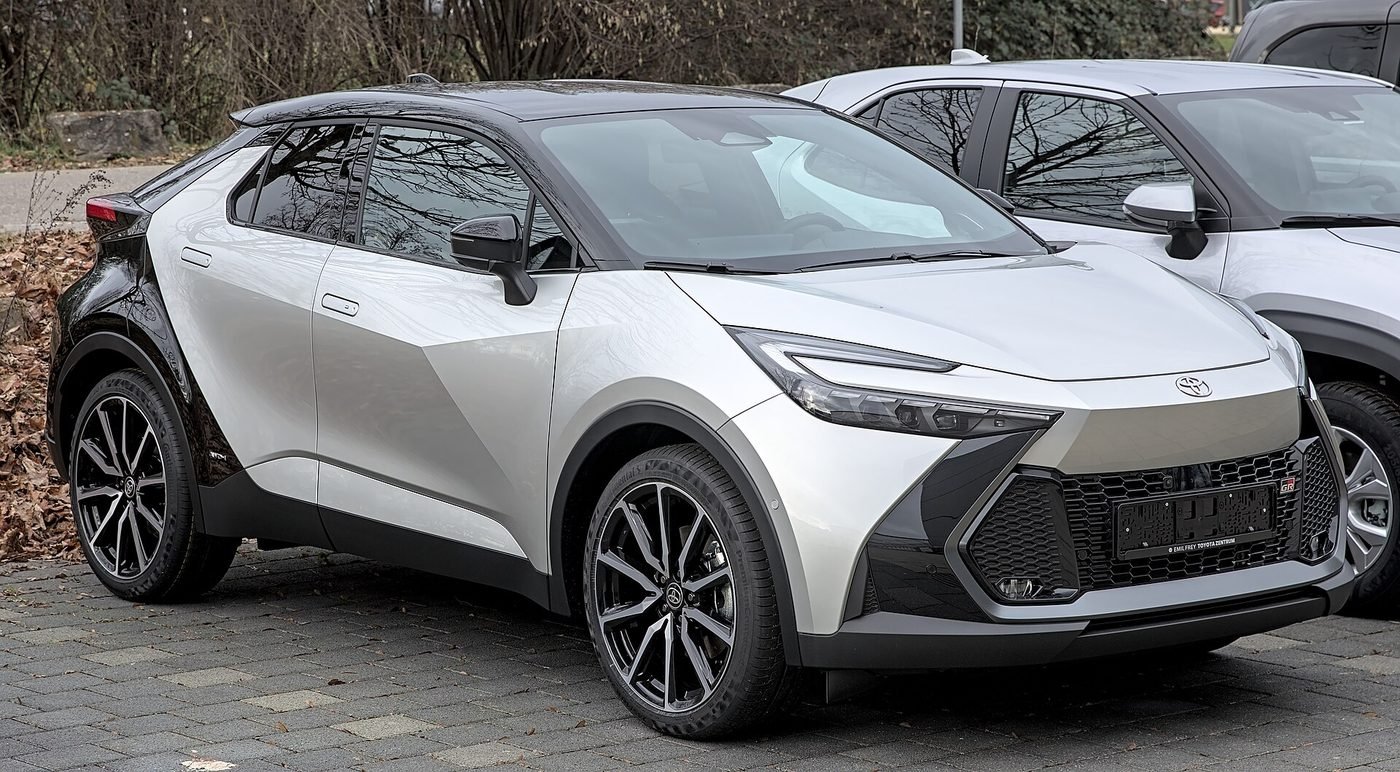
Toyota C-HR 2024
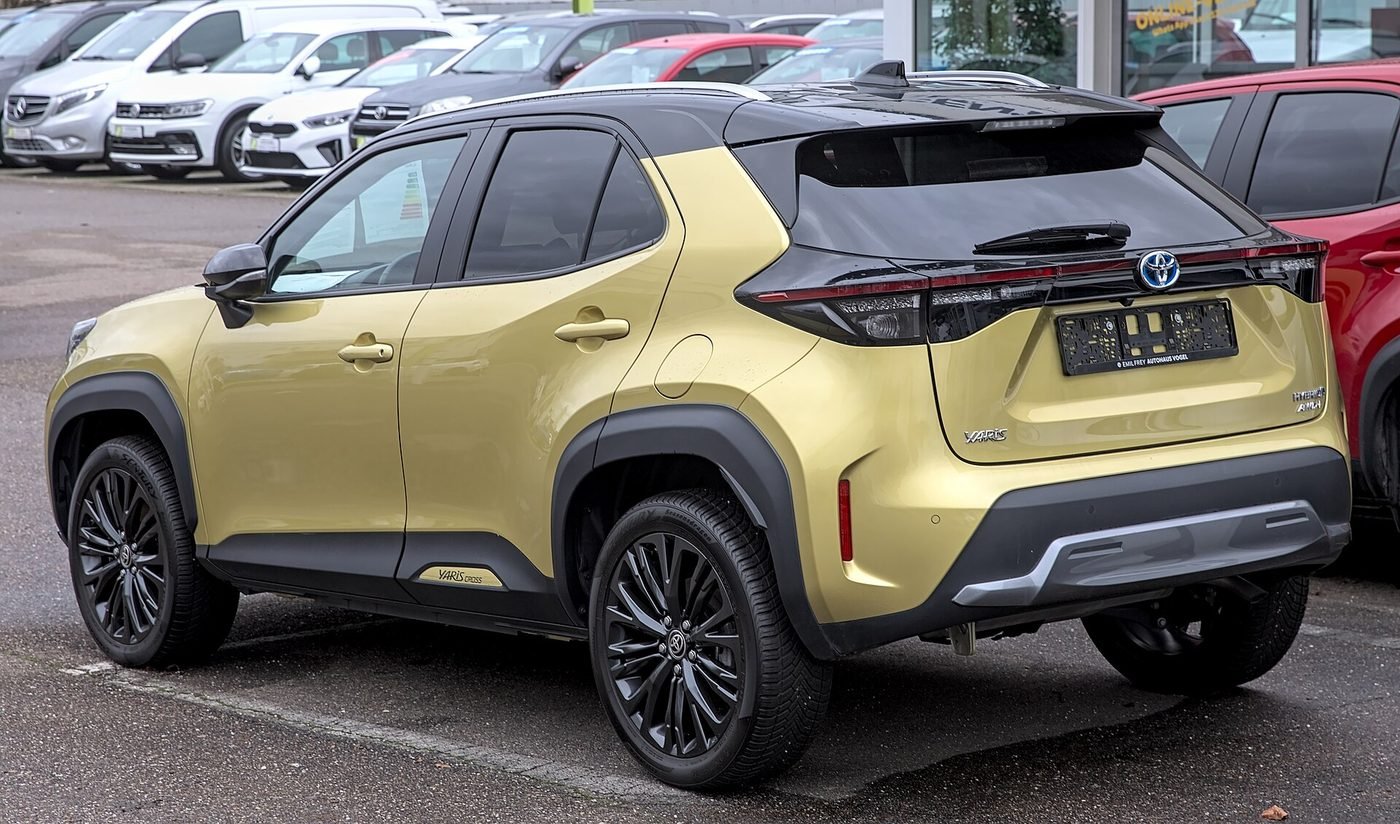
Toyota Yaris Cross 2024

Toyota Yaris 2024
