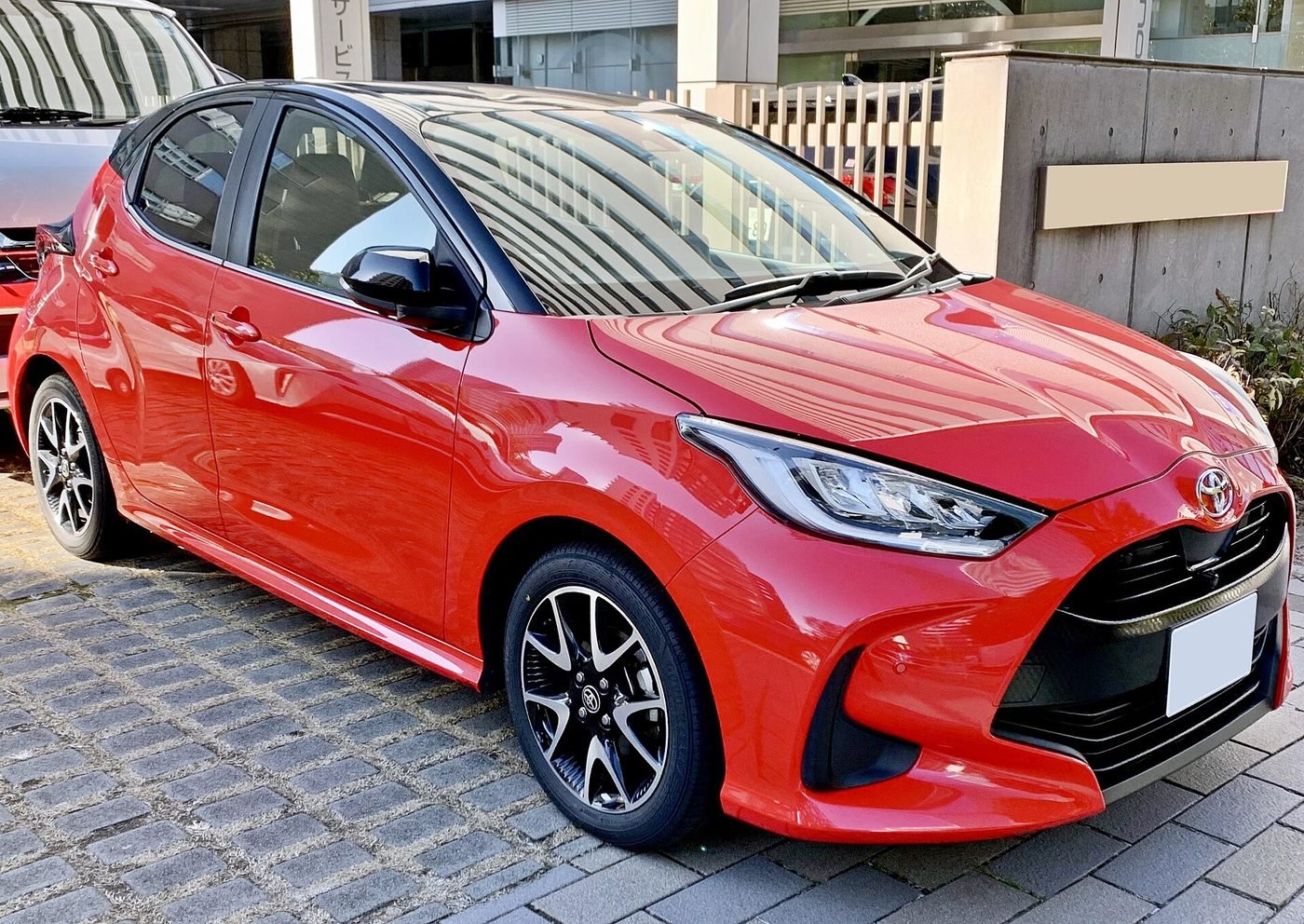
Toyota Yaris 2018 review

Overview
The 2018 Toyota Yaris is the XP130 facelift — revised at Geneva in 2017 with sharper styling, an improved 1.5 hybrid and Toyota Safety Sense standardised across the range. The hybrid had become the heart of the Yaris by this point: our core car is the 1.5 Hybrid in Icon Tech trim at £18,145 OTR, one rung below the £19,295 Excel, with Active (£15,995), Icon (£17,595), Design and Bi-Tone completing the UK ladder. Every 2018 Yaris is a five-door.
The hybrid system is the familiar 1NZ-FXE 1.5-litre Atkinson-cycle four with an e-CVT, producing 100PS system output. It covers 0–62mph in 11.8 seconds and tops 103mph — unhurried numbers that miss the point. The point is 85.6mpg on the NEDC test and 75g/km of CO2 on 15-inch wheels (up to ~84g/km on bigger-wheeled trims), which put these cars in VED Band C at £20 a year, plus Toyota's five-year/100,000-mile warranty and a five-star Euro NCAP result from the 2017 test. The hybrid hardware itself is famously robust: batteries routinely sail past 100,000 miles with basic care.
So what actually goes wrong? The traction battery weakens after roughly 80–120,000 km, showing as falling mpg and dashboard warnings. The little 12V auxiliary battery drains flat if the car sits unused — a classic hybrid trait. And on salted British roads, check the lower door and hatch edges and the rear-axle beam for surface rust, plus listen for suspension creaks and TPMS faults. None of this is scary, and it is all cheap relative to a dual-clutch gearbox rebuild on a rival. The concrete observation that matters most on a test drive: the 286-litre boot is genuinely small for the class, and the 36-litre tank means you will visit petrol stations more often than the mpg figure suggests. Here's the contestable bit: as a used buy, this hybrid Yaris is simply the default choice in the supermini class — no diesel rival matches its town economy, and no petrol rival matches its warranty-backed peace of mind. Buy the newest, lowest-mileage Icon Tech you can afford and stop overthinking it.
UK price from: £18,145
Specifications
| Engine | 1.5L hybrid petrol (1NZ-FXE) |
| Power | 100 PS system (99 bhp) |
| Torque | 111 Nm (engine) |
| 0-62 mph | 11.8 seconds |
| Top speed | 103 mph |
| Transmission | e-CVT automatic |
| Drive | Front-wheel drive |
| Fuel economy | 85.6 mpg combined (NEDC-era) |
| CO2 emissions | 75 g/km (up to ~84 on higher trims); VED Band C |
| Boot space | 286 litres (768L seats folded) |
| Kerb weight | ~1,085 kg |
| Insurance group | 8E |
| Euro NCAP | 5 stars (2017 test) |
| Warranty | 5 years / 100,000 miles |
Features
- 1.5-litre hybrid petrol (1NZ-FXE, 100PS system output) with e-CVT automatic
- 11.8-second 0–62mph, 103mph top speed
- 85.6mpg combined (NEDC-era), 75g/km CO2 — VED Band C (£20/yr)
- Toyota Safety Sense standard: pre-collision, lane-departure alert, auto high beam
- 286-litre boot, 36-litre tank, ~1,085kg kerb weight
- Trims: Active, Icon, Icon Tech, Design, Bi-Tone, Excel — five-door only
- Five-star Euro NCAP (2017 test); 5yr/100,000-mile Toyota warranty
- Insurance group 8E — among the lowest in the class
Common parts & prices
| Part | Price (GBP) | Notes |
|---|---|---|
| Front brake pads (set) | £27.99 | Pattern part; typical UK retail £20–£35; regen extends pad life |
| Oil filter | £8.99 | Pattern part; typical UK retail £6–£12 |
| Cabin pollen filter | £13.99 | Pattern part; typical UK retail £10–£18 |
| Front wiper blades (pair) | £15.99 | Pattern part; typical UK retail £12–£20 |
| 12V auxiliary battery | £119.99 | Pattern EFB-type; typical UK retail £90–£150 |
| Engine air filter | £15.99 | Pattern part; typical UK retail £12–£20 |
Pros
- Legendary hybrid reliability with a 5-year/100,000-mile warranty
- 85.6mpg official economy; unbeatable town running costs
- £20-a-year VED and insurance group 8E
- Huge used choice at £9,500–£12,500
Cons
- Hybrid battery weakens after ~80–120k km — check mpg and warnings
- 12V auxiliary battery drains if the car sits unused
- 286-litre boot is small for the class; 36-litre tank is diddy
- Check door/hatch edges and rear beam for rust on UK cars
Frequently asked questions
How long does the Yaris hybrid battery last?
What is the real-world mpg of the 2018 Yaris Hybrid?
Why is my Yaris Hybrid's 12V battery always flat?
Which 2018 Yaris trim should I buy?
How much is a 2018 Toyota Yaris Hybrid worth?
Owner reviews
Write your review
Related cars
Toyota C-HR 2024
Toyota Yaris Cross 2024

Toyota Yaris 2024