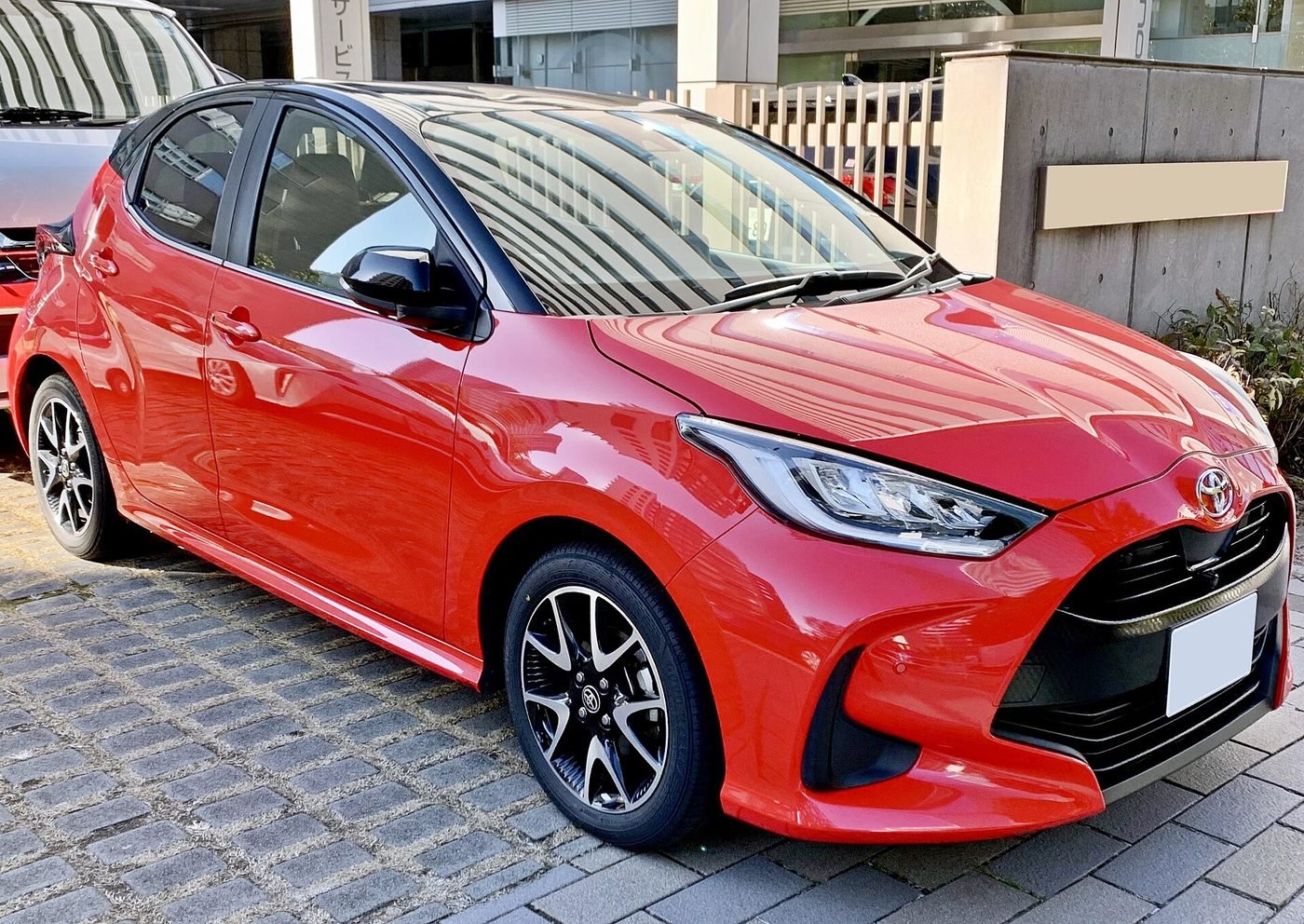
Toyota Yaris 2020 review

Overview
The fourth-generation Toyota Yaris arrived in the UK in September 2020, and it is a very different car from the one it replaced. Built on Toyota's TNGA GA-B platform, the XP210 has a stiffer body, a lower centre of gravity and a new 1.5-litre hybrid system with a lithium-ion battery. Our page covers the entry-level 1.5 Hybrid Icon, which cost £19,910 on the road at launch. Note that Parkers lists the same trim at £22,640, which reflects later price rises, not the 2020 launch price.
Every 2020 UK Yaris shares the same hybrid powertrain: a 1.5-litre three-cylinder Atkinson-cycle petrol engine plus an electric motor, giving 116 PS of system output through an e-CVT. It reaches 62 mph in 9.7 seconds and tops out at 109 mph, but the headline is economy: 57.3 to 70.6 mpg on the WLTP test depending on trim, with CO2 of 92 to 112 g/km. Toyota claims up to 80 per cent of urban driving time can be on electric power alone.
Watch the dating trap. Most 2020-registered Yaris in the UK are the old XP130 generation, because the new car only reached showrooms in September 2020 on 70-plates. Check the shape and the VIN: the XP210 has a wide grille, a 1,490 cc 116 PS hybrid and a 286-litre boot on a 2,560 mm wheelbase, while the old car is a 1,497 cc 100 PS hybrid on a 2,510 mm wheelbase.
Safety kit is class-leading and standard on every trim: Toyota Safety Sense with pre-collision braking, lane trace assist, road sign assist and adaptive cruise, plus a centre airbag between the front seats, a first in the class. The Yaris scored five stars in Euro NCAP testing in 2020, the first car tested under the then-new protocol. Reliability is strong, with a WhatCar score of 92.5 per cent, and Toyota Relax cover runs to 10 years or 100,000 miles with annual dealer servicing, with the hybrid battery covered to 15 years. The usual watchpoints are a flat 12-volt battery and brake-disc corrosion from regenerative braking doing most of the work.
UK price from: £19,910
Specifications
| Engine | 1.5L 3-cylinder hybrid petrol (1,490 cc, M15A-FXE) |
| Power | 116 PS (114 bhp) system output |
| Torque | 120 Nm (engine) |
| 0-62 mph | 9.7 seconds |
| Top speed | 109 mph |
| Transmission | e-CVT |
| Drive | Front-wheel drive |
| Fuel economy | 57.3-70.6 mpg combined (WLTP) |
| CO2 emissions | 92-112 g/km (WLTP) |
| Boot space | 286 litres (947 litres seats down) |
| Kerb weight | 1,085-1,160 kg |
| Insurance group | 13 |
| Warranty | 3 years / 60,000 miles (Toyota Relax to 10 years / 100,000 miles) |
| Euro NCAP | 5 stars (tested 2020) |
Features
- Toyota Safety Sense: pre-collision system, lane trace assist, road sign assist, adaptive cruise and automatic high beam
- Centre airbag between the front seats, a first in the class
- 7-inch touchscreen with Apple CarPlay and Android Auto
- Reversing camera as standard
- Hybrid EV mode: up to around 80 per cent of urban driving on electric power
- 16-inch alloy wheels
- Air conditioning, automatic headlights and wipers, heated power mirrors
- e-CVT with a lighter, more compact lithium-ion battery
Common parts & prices
| Part | Price (GBP) | Notes |
|---|---|---|
| 12V battery (size 202) | £85.99 | Fitted price |
| Front brake pads (axle set) | £32.99 | Pattern part; OEM specification |
| Front brake discs (pair) | £74.99 | |
| Oil filter | £11.99 | |
| Air filter | £19.99 | |
| Front wiper blades (pair) | £19.99 |
Pros
- Outstanding real-world economy, up to 70.6 mpg on the WLTP test
- Punchy and agile around town, with electric torque off the line
- Class-leading standard safety kit and a five-star Euro NCAP result
- Strong reliability record: 92.5 per cent in WhatCar's 2025 survey
- Long warranty safety net: Toyota Relax to 10 years and the hybrid battery to 15 years
Cons
- Fidgety, firm ride, worse on the 17-inch wheels of higher trims
- Cramped rear seats and a small 286-litre boot
- Tyre roar and wind noise at motorway speed, plus e-CVT drone under hard acceleration
- Hard, scratch-prone door plastics in places
Frequently asked questions
Is the 2020 Toyota Yaris reliable?
What goes wrong, and what should I check before buying?
How long does the hybrid battery last, and is it covered?
What does a 2020 Yaris cost to run?
Is a 2020 Yaris the new shape or the old shape?
Owner reviews
Write your review
Related cars
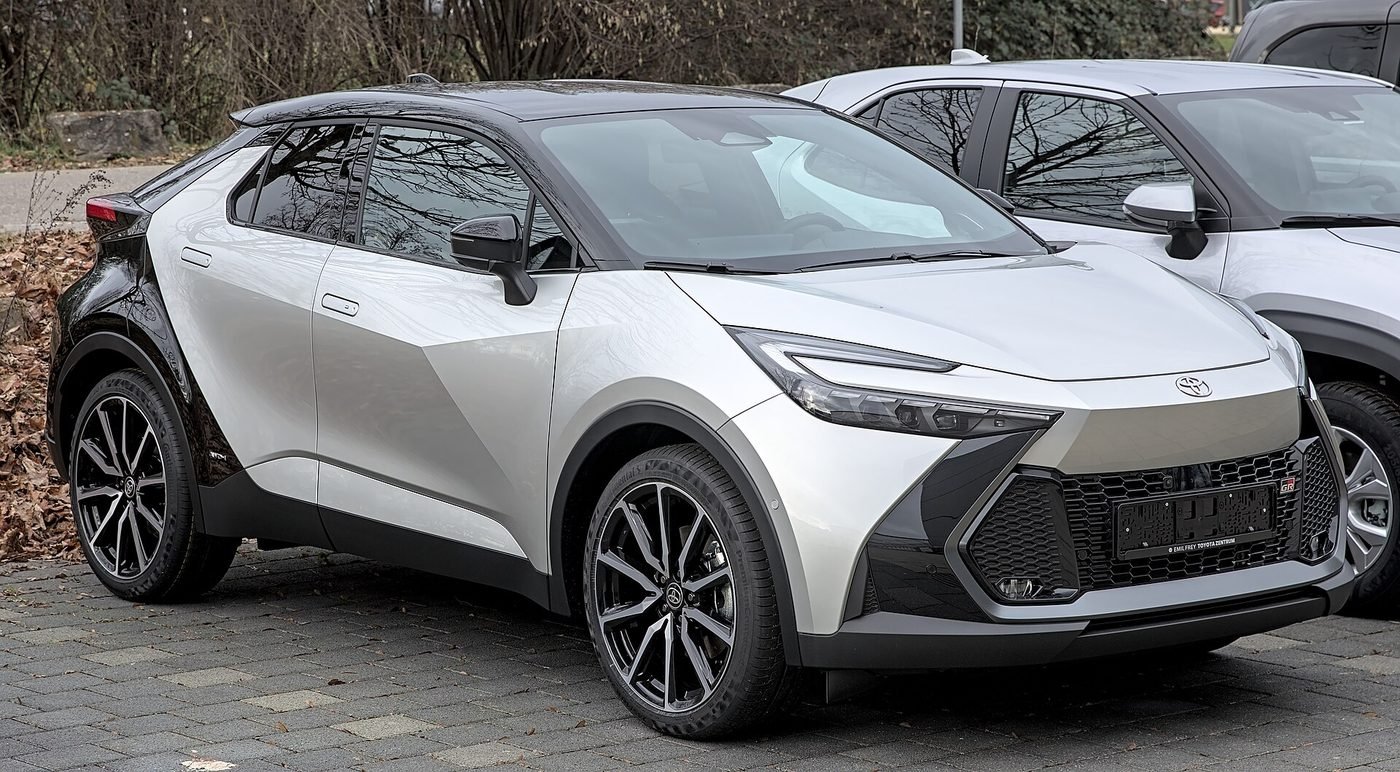
Toyota C-HR 2024
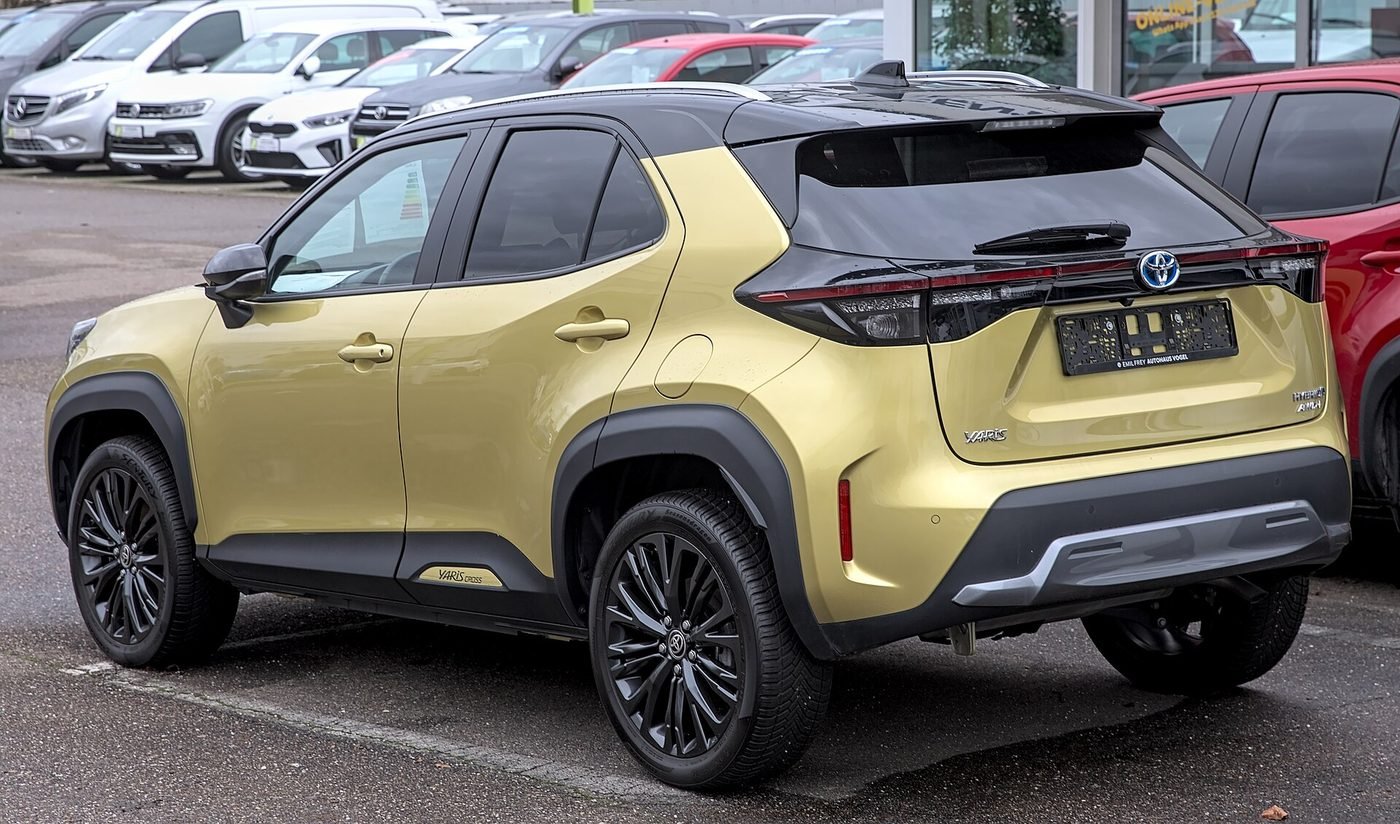
Toyota Yaris Cross 2024

Toyota Yaris 2024