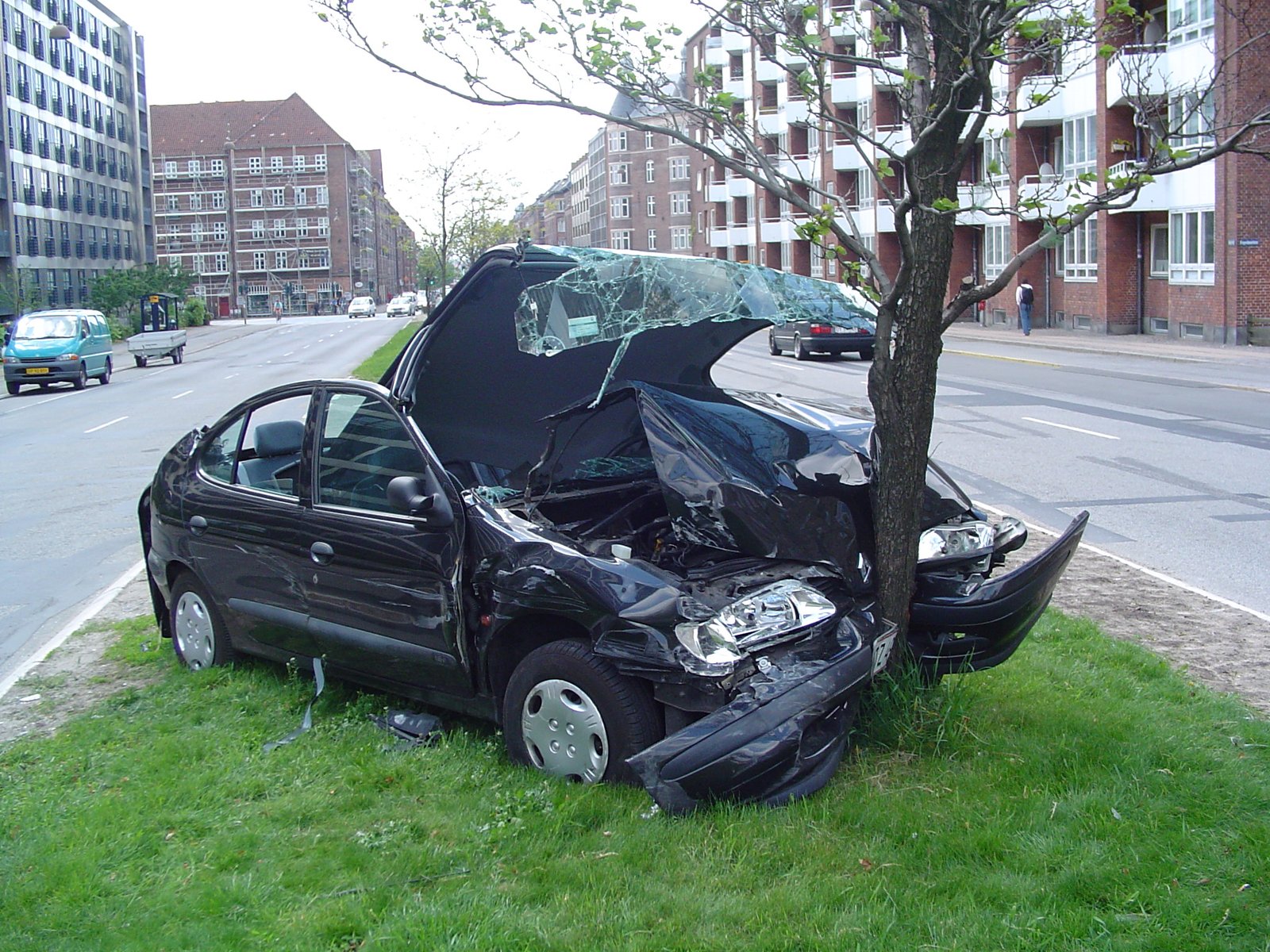
A crash shakes you up even when nobody is hurt. Most UK drivers have never been told the order of things: what the law requires, what to photograph before the cars move, and the two phone calls that protect you later. Here it is, step by step.
1. Stop, make it safe, call 999 if anyone is hurt
You must stop — it is a legal duty under Section 170 of the Road Traffic Act 1988, and driving on after any accident that causes injury or damage can mean a fine, points, a ban or even prison. Switch the engine off, hazards on, and get everyone somewhere safe away from traffic. Do not move an injured person unless they are in immediate danger. Call 999 if someone is hurt, the road is blocked, or drink or drugs may be involved. Even a gentle shunt in a supermini like a Ford Fiesta can cause whiplash that only shows the next morning.
2. Exchange details with the other driver
Swap names, addresses and registration numbers, plus the owner's name and address if the driver is not the owner. If anyone is injured, exchange insurance details too. If the other driver refuses, or drives off, note their registration if you can and call the police on 101. Hit a parked car with nobody around? Leave your name, address and registration under the windscreen wiper and report it to the police within 24 hours.
3. Gather evidence before anything moves
Photograph the damage to both cars, their positions on the road, the road layout, any signs or skid marks. Note the exact time and place. If you have a dashcam, save the footage before it is overwritten. Ask any witnesses for their name and number — an independent account is worth more than either driver's version a month later. And do not admit fault at the roadside: say what happened factually and let the insurers decide. An apology in the shock of the moment can be read as an admission later.
4. Report to the police within 24 hours
Not every bump needs the police. If you exchanged details and nobody was hurt, you can usually go on your way. But you must report the accident to a police officer or at a police station as soon as reasonably practicable and within 24 hours if details were not exchanged, anyone was injured, an animal such as a dog or livestock was hurt, or the other driver was uninsured or uncooperative. If asked to produce your certificate of insurance, you have seven days to take it to a nominated police station. Failing to stop or report is a serious offence on its own — separate from who caused the crash.
5. Tell your insurer the same day — even if you do not claim
Call your insurer as soon as you can, ideally within 24 hours. Most policies require you to report every accident promptly, whether or not you intend to claim, and late notification can be used to refuse a claim. Have ready your policy number, the other driver's details, the registration numbers, photos and witness contacts. On comprehensive cover your insurer will arrange repairs at an approved repairer or a garage of your choice — ask about your excess, a courtesy car, and how a claim affects your no-claims discount. If the damage makes you think about replacing the car — a family SUV like a Nissan Qashqai, say — our used-car checklist and True Cost calculator will help you work out what the next car really costs. And if the car is written off rather than repaired, read our Cat S vs Cat N guide before accepting the insurer's valuation.
6. If the other driver is uninsured — or drives off
Report it to the police and ask for a crime reference number: you will need it for any claim. You can check whether a vehicle is insured through the Motor Insurance Database's askMID service, which costs £10 for a one-off search. With comprehensive cover, claim through your own insurer and let them chase the costs. Without it, the Motor Insurers' Bureau (MIB) compensates victims of uninsured and untraced drivers — vehicle damage, injury and lost earnings — and personal injury claims must be made within three years. MIB claims take longer than a normal claim because the Bureau investigates from scratch, so expect weeks to a few months for a decision.
Frequently asked questions
Do I have to report a minor bump to the police? Not always. If you exchanged details and nobody was injured, there is usually nothing to report. But if details were not exchanged, someone was hurt, or an animal was injured, you must report it within 24 hours.
How long do I have to tell my insurer? As soon as possible — ideally the same day. Most policies say "promptly" or "immediately", and a delay of days can give an insurer grounds to refuse a claim.
I hit a parked car and nobody is around. What do I do? Leave your name, address and registration number where the owner will find it, take photos, and report the incident to the police on 101 within 24 hours.
Sources: Road Traffic Act 1988, Section 170; West Yorkshire Police; RAC; GoCompare; Compare the Market.
Photo: Thue, public domain (via Wikimedia Commons).