Ford Kuga 2019 review

Overview
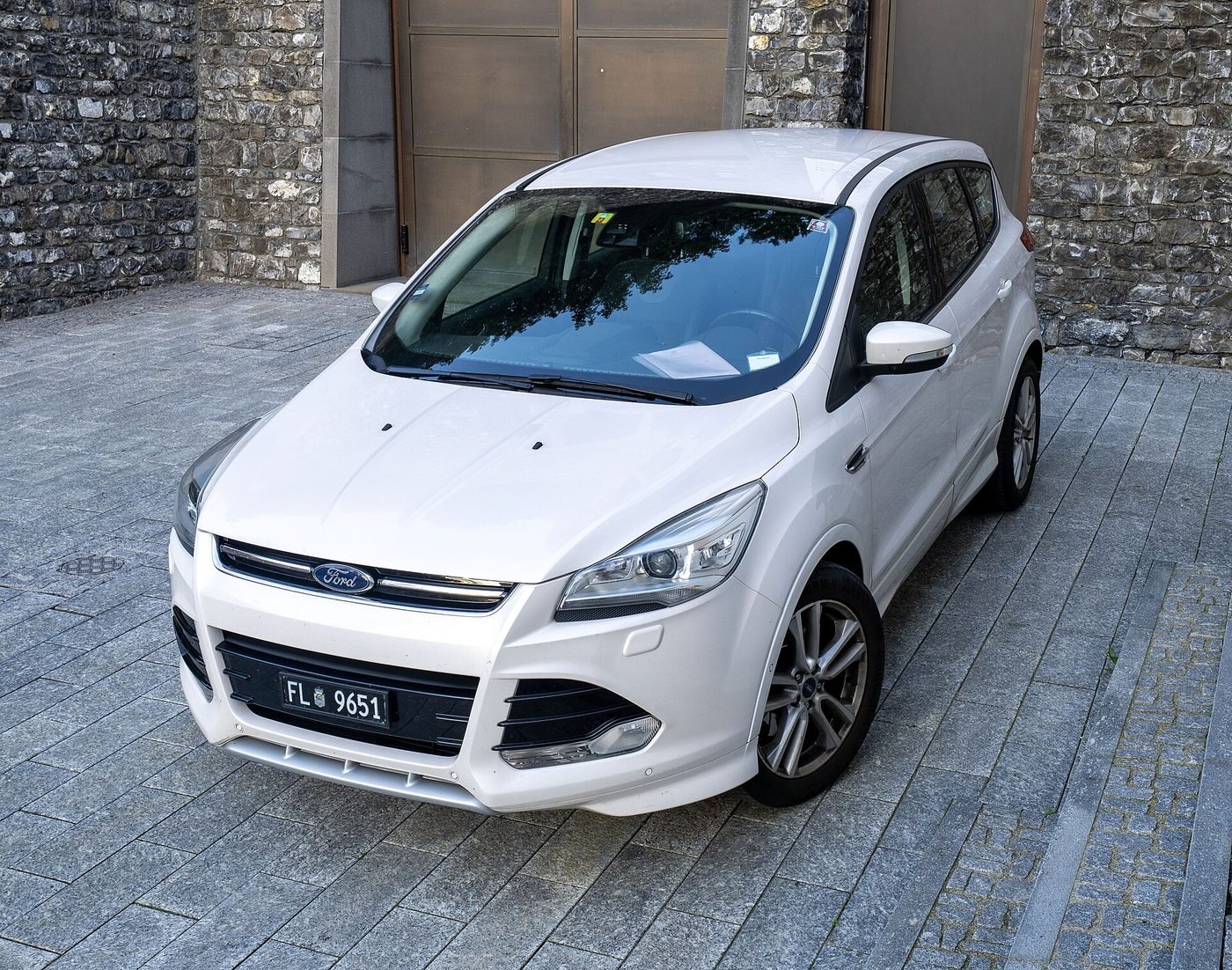
The 2019 Ford Kuga is the final model year of the second-generation (Mk2) Kuga, the family SUV Ford built from 2013 to 2019 before the sleeker Mk3 arrived. Because 2019 cars were sold alongside a wave of discounted run-out "Edition" trims — Zetec Edition, Titanium Edition and ST-Line Edition — they represent some of the best-value used Kugas on the market today, with typical advertised prices between £10,700 and £15,700.
The 2019 UK engine line-up covered both fuels: 1.5-litre EcoBoost petrols in 120, 150 and 176PS (auto) forms, a 1.5 TDCi 120 diesel and a 2.0 TDCi in 150 and 180PS outputs, the latter available with four-wheel drive and a 2,100kg braked towing limit. All versions are Euro 6, so even the diesels are ULEZ-compliant in London. Petrols manage around 35–40mpg official, diesels 43–55mpg, though real-world figures sit a few mpg lower.
Trim choice is wide. Zetec opened the range with 17-inch alloys and Ford's heated Quickclear windscreen, Titanium added half-leather and dual-zone climate, ST-Line brought sports suspension and body styling, and the Vignale flagship offered quilted leather and a panoramic roof. The run-out Edition trims bundled popular options into discounted packages, so they are worth seeking out on the used market.
As a used buy the Kuga's strengths are comfort, strong motorway manners and genuine practicality — owners ranked it fourth overall in the Auto Express Driver Power survey. The headline used-buyer warning concerns diesel DPF and EGR soot build-up on cars used only for short trips, and the 2.0 TDCi's cambelt needs changing at 120,000 miles or ten years. Petrol buyers simply face thirstier running costs: around 29–36mpg WLTP on the 1.5 EcoBoost.
UK price from: £21,100
Specifications
| Engine | 1.5L EcoBoost turbo petrol (120 / 150 / 176 PS); 1.5 / 2.0 TDCi diesel |
| Power | 150 PS (1.5 EcoBoost 150); up to 180 PS (2.0 TDCi 180) |
| 0-62 mph | 9.7 seconds (1.5 EcoBoost 150); 9.2 seconds (2.0 TDCi 180) |
| Top speed | 121 mph (1.5 EcoBoost 150); 126 mph (2.0 TDCi 180) |
| Transmission | 6-speed manual; 6-speed automatic / PowerShift |
| Drive | Front-wheel drive; all-wheel drive (2.0 TDCi 180) |
| Fuel economy | 39.2 mpg combined (1.5 EcoBoost 150); 46.3 mpg (2.0 TDCi 180) |
| CO2 emissions | 164 g/km (1.5 EcoBoost 150); 161 g/km (2.0 TDCi 180) |
| Boot space | 456 litres (1,653 litres seats folded) |
| Kerb weight | 1,504 kg (1.5 EcoBoost Zetec) to 1,716 kg (2.0 TDCi AWD) |
| Insurance group | 20E (1.5 EcoBoost 150); 27E (2.0 TDCi 180) |
| Warranty | 3 years / 60,000 miles (Ford UK) |
| Euro NCAP | 5 stars (2012 test) |
Features
- 1.5-litre EcoBoost petrols (120, 150 and 176PS) plus 1.5/2.0 TDCi diesels (120-180PS)
- 2.0 TDCi 180 with four-wheel drive and 2,100kg braked towing limit
- Ford SYNC 3 infotainment with 8-inch touchscreen, Apple CarPlay and Android Auto
- Quickclear heated front windscreen — standard from Zetec
- Driver's Assistance Pack: adaptive cruise, traffic-sign recognition and blind-spot monitoring
- Hands-free powered tailgate on Titanium X and ST-Line X trims
- 456-litre boot expanding to 1,653 litres with the seats folded
- Five-star Euro NCAP rating; every 2019 engine is Euro 6 and ULEZ-compliant
Common parts & prices
| Part | Price (GBP) | Notes |
|---|---|---|
| Front brake pads (fitted, one axle) | £164.95 | National-chain fixed-price schedule, parts + labour + VAT |
| Front brake pads + discs (fitted, one axle) | £279.95 | National-chain fixed-price schedule, parts + labour + VAT |
| Rear brake pads (fitted, one axle) | £159.95 | National-chain fixed-price schedule, parts + labour + VAT |
| 12V battery (AGM, stop-start) | £130 | Typical fitted price range £130–£250 |
| Cambelt + water pump kit (2.0 TDCi) | £450 | Typical independent-garage price £300–£600; due at 120,000 miles / 10 years |
| Rear brake pads + discs (fitted, one axle) | £274.95 | National-chain fixed-price schedule, parts + labour + VAT |
Pros
- Comfortable, car-like drive with excellent motorway manners
- Strong 2.0 TDCi diesel with best-in-class towing ability
- Well equipped even in mid trims, and run-out Edition cars are bargains
- Excellent used value: 2019 cars from around £10,700 advertised
- Euro 6 diesels are ULEZ-compliant, rare peace of mind for a used SUV
Cons
- 456-litre boot trails the VW Tiguan and Skoda Kodiaq for space
- Cabin feels dated with hard plastics and a small SYNC screen
- Diesel DPF and EGR soot issues on short-trip urban use
- Petrols are thirsty — expect around 30mpg real-world on the 1.5 EcoBoost