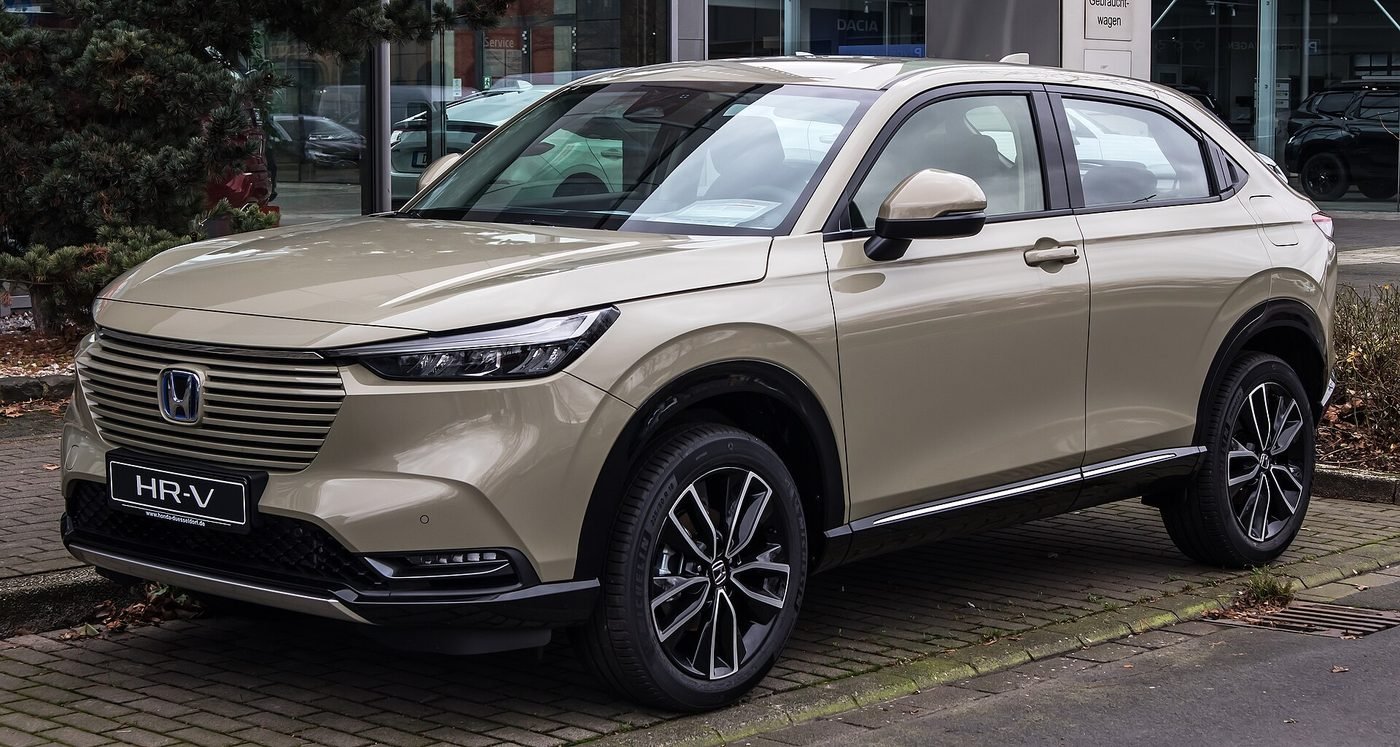
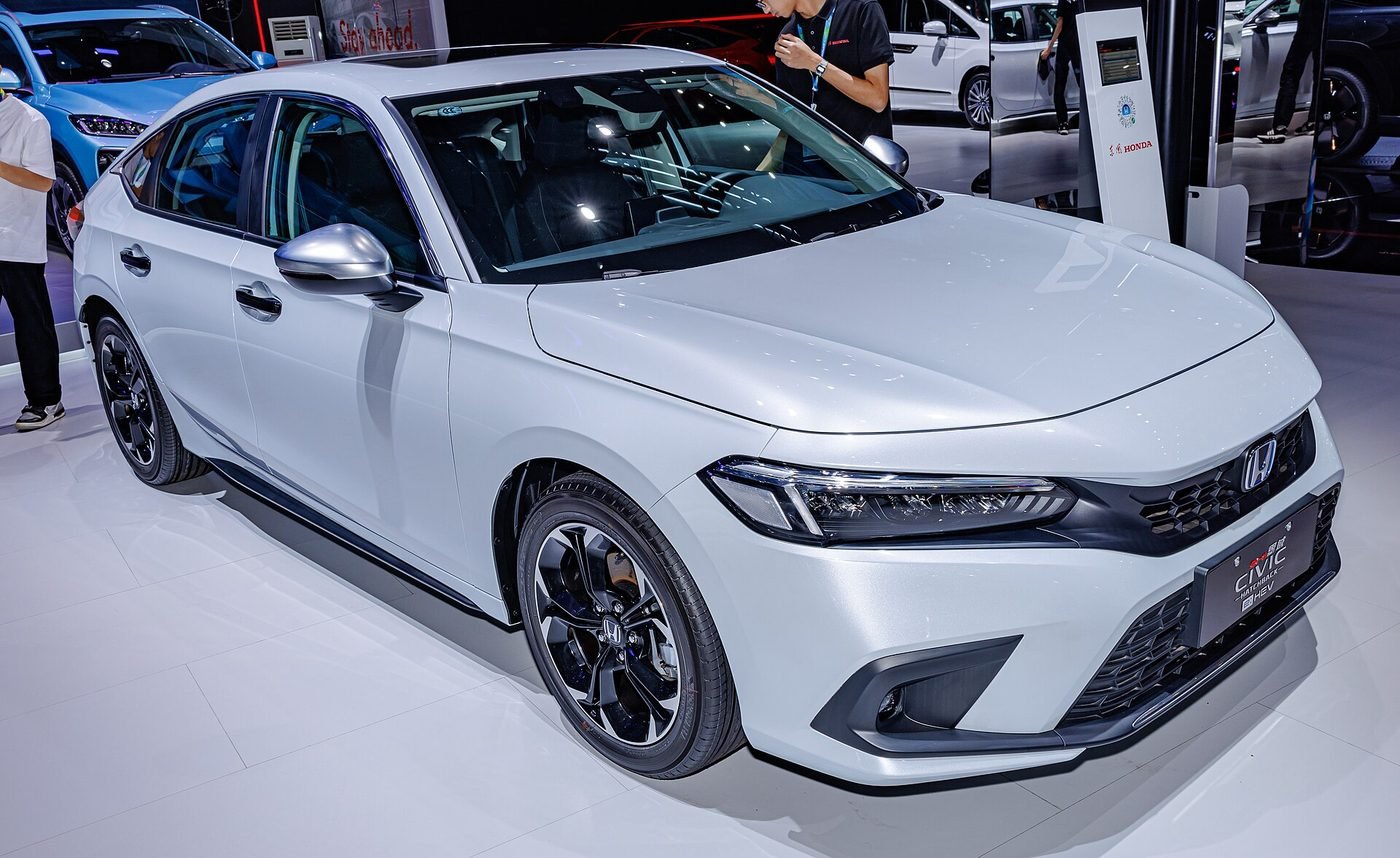
Honda CR-V 2019 review

Overview
The fifth-generation Honda CR-V went on sale in Britain in September 2018 for the 2019 model year, and it arrived with a statement of intent: no diesel at all. The launch range was petrol-only — the 1.5-litre VTEC Turbo with 173PS and a six-speed manual or 193PS with a CVT — before the 2.0-litre i-MMD full hybrid joined in February 2019 from £29,105 and eventually replaced the petrol entirely. Four trims (S, SE, SR, EX) spanned £25,995-£37,255.
Practicality was the CR-V's trump card: a 561-litre petrol boot — best in class for the era — with a flat load floor and wide 90-degree rear doors, plus Honda Sensing (autonomous braking, lane-keep, adaptive cruise) standard on every trim, something rivals still charged extra for. The hybrid made the strongest case: only about £3,100 more than the equivalent petrol, around 53mpg and 120g/km of CO2 for low company-car tax, and an 8.8-second 0-62mph time that beat the petrols.
Reviewers praised comfort, refinement and economy but marked it down for a dated, clunky infotainment system, CVT drone and pronounced body roll. Auto Express's used guide notes owners are generally a satisfied bunch, and Honda's reliability reputation held up.
Used buyers should note the 1.5T's oil-dilution issue (mainly a US-market problem, but check the dipstick and ECU software-update status), the hybrid's smaller 497-litre boot and lack of a spare wheel, and the cramped optional seven-seat row — available only on petrol AWD cars, and rare on the used market.
UK price from: £25,995
Specifications
| Engine | 1.5L VTEC Turbo petrol (1,498cc) |
| Power | 173 PS |
| Torque | 220 Nm |
| 0-62 mph | 9.3 seconds |
| Top speed | 130 mph |
| Transmission | 6-speed manual (CVT available) |
| Drive | Front-wheel drive |
| Fuel economy | 44.8 mpg combined (NEDC-correlated) |
| CO2 emissions | 143 g/km |
| Boot space | 561 litres |
| Kerb weight | 1,573 kg |
| Euro NCAP | 5 stars (tested 2019) |
| Insurance group | 24 |
| Warranty | 3 years / 90,000 miles |
Features
- 1.5 VTEC Turbo petrol (173PS manual / 193PS CVT) or 2.0 i-MMD full hybrid (184PS)
- Honda Sensing standard on every trim: autonomous braking, lane keep assist, adaptive cruise, traffic-sign recognition
- 7-inch touchscreen with sat-nav, Apple CarPlay and Android Auto (SE and above)
- Leather interior, keyless entry, blind-spot information with cross-traffic monitor (SR and above)
- Panoramic glass roof, head-up display, heated front and rear seats, hands-free powered tailgate (EX)
- 561-litre boot with flat load floor; 1,500kg braked towing
- eCall emergency system and ISOFIX on all trims
Common parts & prices
| Part | Price (GBP) | Notes |
|---|---|---|
| Front brake pads (set) | £44.99 | Pattern part; OEM specification |
| Rear brake pads (set) | £37.99 | |
| Oil filter | £11.99 | |
| Engine air filter | £19.99 | |
| Cabin pollen filter | £16.99 | |
| Front wiper blades (pair) | £24.99 |
Pros
- Class-leading 561-litre boot and genuinely flat load floor — best practicality of the era
- Honda Sensing safety kit standard on all trims; 5-star Euro NCAP (2019)
- Hybrid is the sweet spot: ~53mpg, 120g/km CO2, only ~£3,100 over the petrol
- Honda reliability reputation and strong residuals; satisfied owners
- Comfortable, refined motorway cruiser with excellent rear legroom
Cons
- Dated, clunky infotainment with passé Garmin nav (CarPlay/Android Auto mitigate it)
- 1.5T CVT drones under load — the least refined powertrain in the range
- Hybrid loses 64 litres of boot space and the spare wheel
- Optional seven-seat row (petrol AWD only) is cramped; noticeable body roll