Peugeot 208 2018 review
Overview
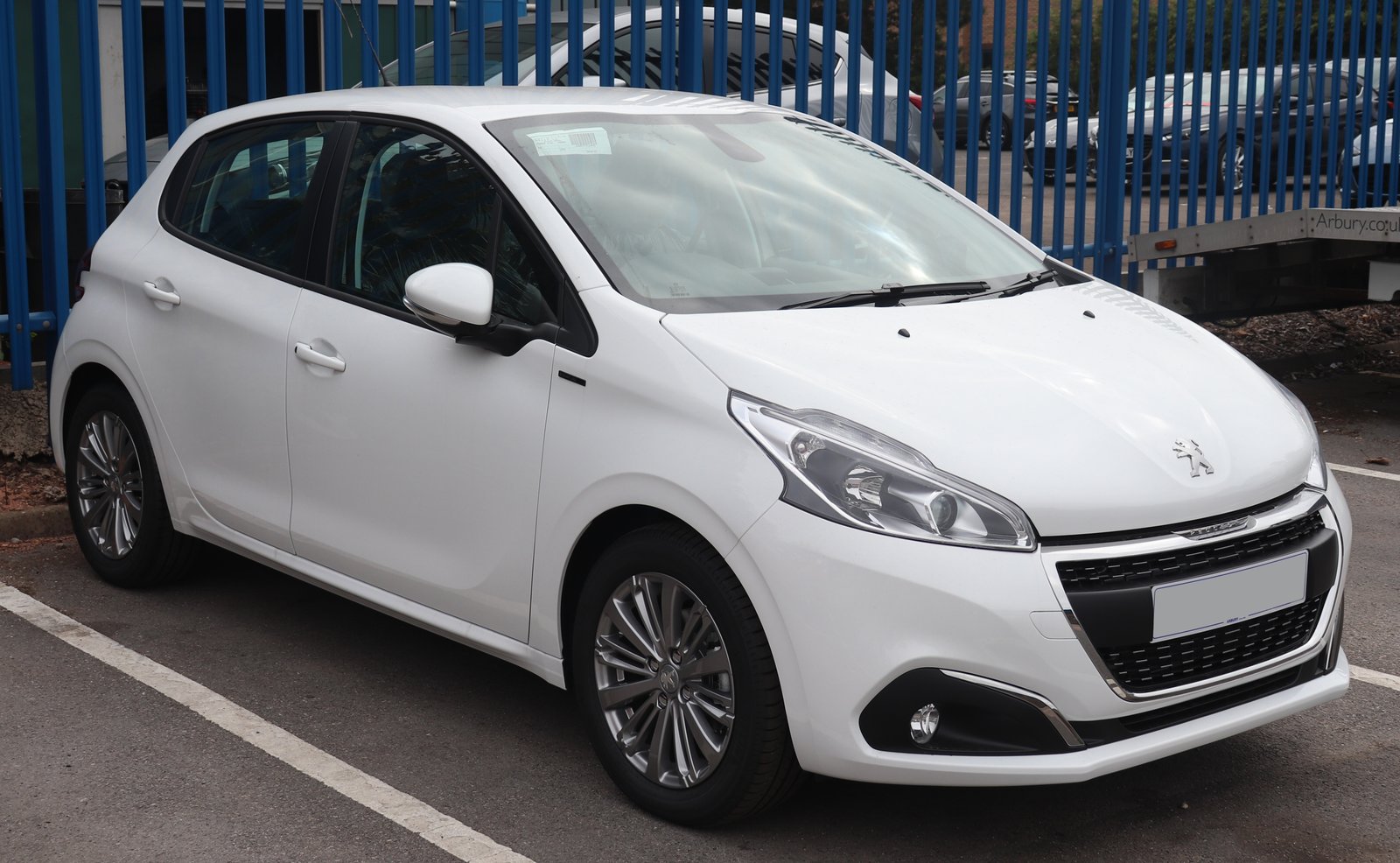
The 2018 Peugeot 208 is the final full year of the first-generation supermini, a small French hatchback that stayed popular in Britain right up to its replacement in 2019. By 2018 the facelifted car had settled into a clear, simple range, and the sweet spot for most used buyers is the mid-range Allure with the turbocharged 1.2-litre PureTech 110 petrol engine. It looks sharper than most rivals of its age, feels grown up inside thanks to the small steering wheel and high-set dials of the Peugeot i-Cockpit, and it is cheap to run, with an official 65 mpg and just 99 g/km of CO2 on the pre-2018 NEDC test cycle.
On the road the 110 version is the one to have. The three-cylinder turbo pulls strongly from low revs, with 205 Nm of torque making town driving and motorway joining far easier than the numbers suggest, and the five-speed manual gearbox is light and easy to use. It is not a hot hatch, but it steers neatly, rides comfortably over typical British B-roads, and stays quiet enough at a cruise to make longer trips perfectly pleasant. The 82 bhp non-turbo version of the same engine is cheaper to buy, but it feels noticeably slower, so the 110 is worth seeking out.
Inside, Allure trim brings a well-equipped cabin for the class, with a 7-inch touchscreen, Apple CarPlay smartphone mirroring, DAB radio, 16-inch alloy wheels and LED daytime running lights. Space is best described as adequate rather than generous: two adults fit fine in the back, but taller passengers will find legroom tight, and the 285-litre boot is smaller than a Ford Fiesta or SEAT Ibiza of the same era. Running costs are a genuine strength, with low insurance grouping, modest servicing bills and plenty of affordable parts, which is why so many 2018 examples are still doing daily family duty.
As a used buy in 2026, the 2018 208 makes most sense as a stylish, low-cost first car or second car, provided one check is done properly. The PureTech engine uses a timing belt that runs in engine oil, and a missed service history can turn into a very expensive repair, so belt-replacement receipts and a full service record matter more than mileage alone. Buy a well-documented 110 Allure and you get a characterful, economical supermini with real charm; buy blind and you risk the one big bill this car is known for.
UK price from: £17,829
Specifications
| Engine | 1.2-litre 3-cylinder turbo petrol (1,199 cc) |
| Power | 110 PS (108 bhp) |
| Torque | 205 Nm at 1,500 rpm |
| Gearbox | 5-speed manual, front-wheel drive |
| Acceleration (0-62 mph) | 9.6 seconds (Parkers quotes 0-60 mph in 9.3 seconds) |
| Top speed | 118 mph |
| Fuel economy (combined) | 65 mpg (NEDC, pre-May 2018 version) |
| CO2 emissions | 99 g/km (NEDC, pre-May 2018 version) |
| Boot space | 285 litres (seats up) |
| Dimensions | 3,973 mm long, 1,739 mm wide (2,004 mm incl. mirrors), 1,460 mm high |
| Wheelbase | 2,538 mm |
| Fuel tank / kerb weight | 50 litres / 1,070 kg |
| Insurance group | Group 15 |
| Euro NCAP rating | 5 stars (tested 2012) |
| New-car warranty | 3 years / 60,000 miles (expired on 2018 cars) |
Features
- 7-inch touchscreen with Mirror Screen and Apple CarPlay
- DAB digital radio with steering-wheel controls
- 16-inch Titane alloy wheels
- LED daytime running lights, LED rear lights, cornering fog lights and tinted rear windows
- Cruise control with speed limiter
- Leather steering wheel with height and reach adjustment
- 60/40 split-folding rear seats
- ESP stability control with hill-start assist, six airbags and tyre-pressure monitoring
Common parts & prices
| Part | Price (GBP) | Notes |
|---|---|---|
| Front brake pads (pair) | £35 | Typical UK pattern-part retail estimate, not catalogue-verified |
| Front brake discs (pair) | £70 | Typical UK pattern-part retail estimate, not catalogue-verified |
| Clutch kit | £145 | Typical UK pattern-part retail estimate, not catalogue-verified; labour extra |
| Wet timing belt kit (PureTech) | £190 | Typical UK pattern-part retail estimate, not catalogue-verified; specialist labour extra and essential on this engine |
| Alternator | £165 | Typical UK pattern-part retail estimate, not catalogue-verified |
| Front shock absorber (each) | £60 | Typical UK pattern-part retail estimate, not catalogue-verified |
Pros
- Strong turbocharged 1.2-litre engine with 205 Nm of torque
- Official 65 mpg and just 99 g/km CO2 on the NEDC cycle
- Distinctive styling and a smart, modern-feeling cabin
- Low insurance group and cheap everyday running costs
- Comfortable ride and neat, easy handling around town
Cons
- Small 285-litre boot trails class leaders
- Tight rear legroom for taller adult passengers
- The PureTech wet timing belt demands strict service history
- Some cabin plastics feel hard and scratch-prone