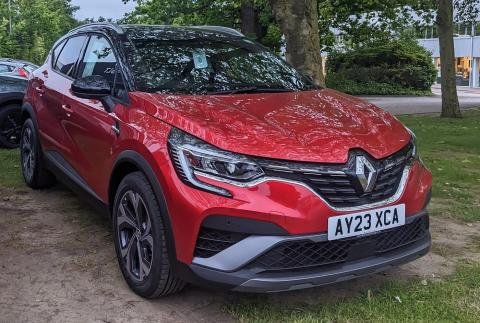
Renault Captur 2020 review

Overview
The second-generation Renault Captur arrived in the UK in March 2020, built on the Alliance CMF-B platform it shares with the new Clio. Unveiled at the 2019 Frankfurt Motor Show, it launched into Britain as the best-selling B-SUV in Europe, with UK prices from £17,595 OTR and three launch trims: Play, Iconic and S Edition. A full-hybrid E-Tech 145 version followed in 2021, but the 2020 model year is all about the pure-petrol, diesel and the first-ever Captur plug-in hybrid.
Engine choice in 2020 starts with the 1.0-litre three-cylinder TCe 100 (99bhp) with a manual gearbox, moving up to the 1.3-litre four-cylinder TCe 130 (130PS, 240Nm) with a six-speed manual or seven-speed EDC twin-clutch auto, and the range-topping TCe 155 (154bhp, 270Nm) with the EDC auto. The TCe 155 sprints to 62mph in 8.6 seconds and returns up to 44.8mpg WLTP. Diesels (dCi 95 and dCi 115) and the E-Tech plug-in hybrid (1.6-litre petrol plus two electric motors, 160PS combined) complete the line-up: the PHEV manages a 10.1-second 0-62mph run, 34g/km CO2 and up to 188.3mpg when regularly charged, with a 9.8kWh battery giving 30-31 miles of WLTP electric range. Boot space is 422 litres seats-up, growing to 536 litres with the sliding 16cm rear bench pushed forward, and 1,275 litres with the seats folded; the PHEV's battery cuts that to 265 litres (379 litres bench forward). The Mk2 earned a five-star Euro NCAP rating in 2019 (96% adult, 83% child), though Euro NCAP reassessed it to four stars in 2024 under tougher protocols.
As a used buy in Britain, the 2020 Captur is well into its depreciation curve, with examples trading from roughly £10,500 to £15,000 depending on engine, trim and mileage. Renault UK's five-year/100,000-mile warranty (introduced December 2019) means many early cars still carry factory cover. The mid-range Iconic trim with the TCe 130 is the sweet spot for most buyers, combining sat-nav, parking sensors and two-tone paint with group 14-15 insurance.
Buyer checks: ask a Renault dealer whether DVSA recall R/2020/129 (May 2020, fixed glass sunroof bonding, 22 cars built August-September 2019) applies; make sure the EasyLink infotainment, stop-start and keyless entry all work flawlessly, as electrical niggles are the most-reported used complaints; and on the PHEV, confirm both charging cables are present, test a full home charge, and remember the boot is smaller and DC rapid charging is not supported.
UK price from: £17,595
Specifications
| Engine | 1.3-litre turbocharged 4-cylinder petrol (TCe 155) |
| Power | 155PS (113kW) at 5,500rpm |
| Torque | 270Nm at 1,800rpm |
| 0-62 mph | 8.6 seconds |
| Top speed | 126mph |
| Transmission | 7-speed EDC dual-clutch automatic |
| Drive | Front-wheel drive |
| Fuel economy | 43.5-44.8mpg (WLTP combined) |
| CO2 emissions | 142g/km (WLTP combined) |
| Boot space | 422 litres (536 litres bench forward; 1,275 litres seats folded) |
| Kerb weight | 1,266kg |
| Warranty | 5 years / 100,000 miles (Renault UK) |
Features
- Full LED headlights standard across the entire UK range
- Sliding rear bench adjustable by 16cm for flexible legroom or 536-litre boot space
- 7-inch EasyLink touchscreen with Apple CarPlay and Android Auto on Play and Iconic; 9.3-inch portrait screen and 7-inch driver display on S Edition
- Standard safety kit includes lane departure warning, lane keep assist, traffic sign recognition and active emergency braking
- Keyless entry and cruise control with speed limiter fitted as standard
- Extensive two-tone paint options with contrasting roof, mirror caps and colour packs
- Available Highway and Traffic Jam Companion driver-assistance tech on higher trims
- E-Tech plug-in hybrid models get a 10-inch digital driver display and Multi-Sense driving modes including Pure electric mode
Common parts & prices
| Part | Price (GBP) | Notes |
|---|---|---|
| Front brake pads (1.3 TCe) | £35 | Pattern part set; genuine Renault typically £55-£70 |
| Front brake discs, pair (1.3 TCe) | £68 | Pattern vented discs; check 280mm/296mm fitment by VIN |
| Oil filter (spin-on, TCe engines) | £12 | Service item; Renault-approved 5W-30/0W-20 oil required |
| Engine air filter (1.3 TCe) | £18 | Pattern panel filter; replace at major service |
| Cabin pollen filter | £15 | Activated-carbon version roughly £20; yearly change keeps HVAC sweet |
| Wiper blades, front pair | £22 | Flat-blade pattern set; common sizes 650/450mm — check before ordering |
Pros
- Very practical for the class thanks to the sliding rear bench and class-leading 536-litre max boot
- Strong, frugal 1.3-litre TCe petrols with a punchy TCe 155 flagship
- Generous standard kit, including LED lights, touchscreen and full ADAS safety suite
- Five-year/100,000-mile Renault UK warranty and a five-star Euro NCAP rating at launch
- PHEV offers 30-31 miles of electric running and very low company-car BIK rates
Cons
- Ride and handling are comfort-biased and dull next to a Ford Puma
- EasyLink infotainment can be glitchy, and cabin plastics feel cheap in places
- PHEV boot shrinks to 265 litres and there is no DC rapid charging
- Diesels are noisy and the TCe 130's 10.6-second 0-62 time feels unhurried
- Euro NCAP reassessed the Captur to four stars in 2024 under stricter rules
Frequently asked questions
TCe 130 or TCe 155 — which Captur engine should I buy?
How far does the Captur E-Tech plug-in hybrid go on electricity?
How does the sliding rear bench affect boot space?
Are there any recalls on the 2020 Renault Captur?
Is a used 2020 Renault Captur a good buy?
Owner reviews
Write your review
Related cars
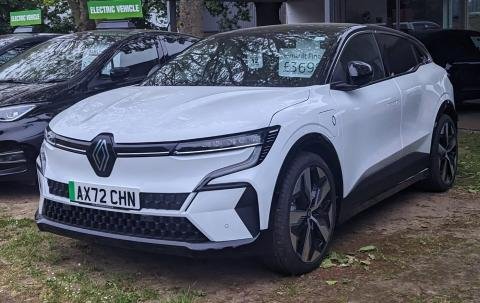
Renault Megane E-Tech 2024
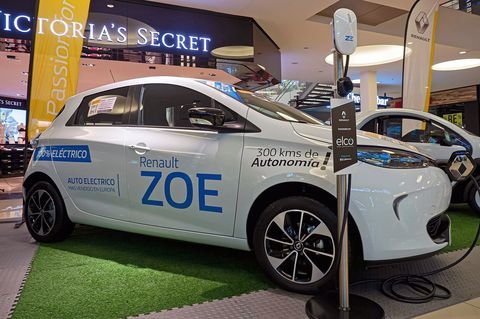
Renault Zoe 2024
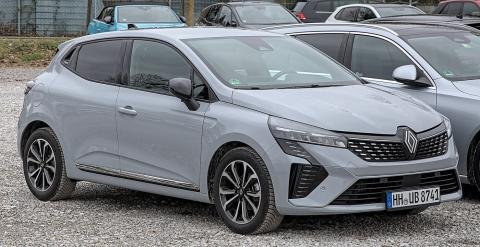
Renault Clio 2024