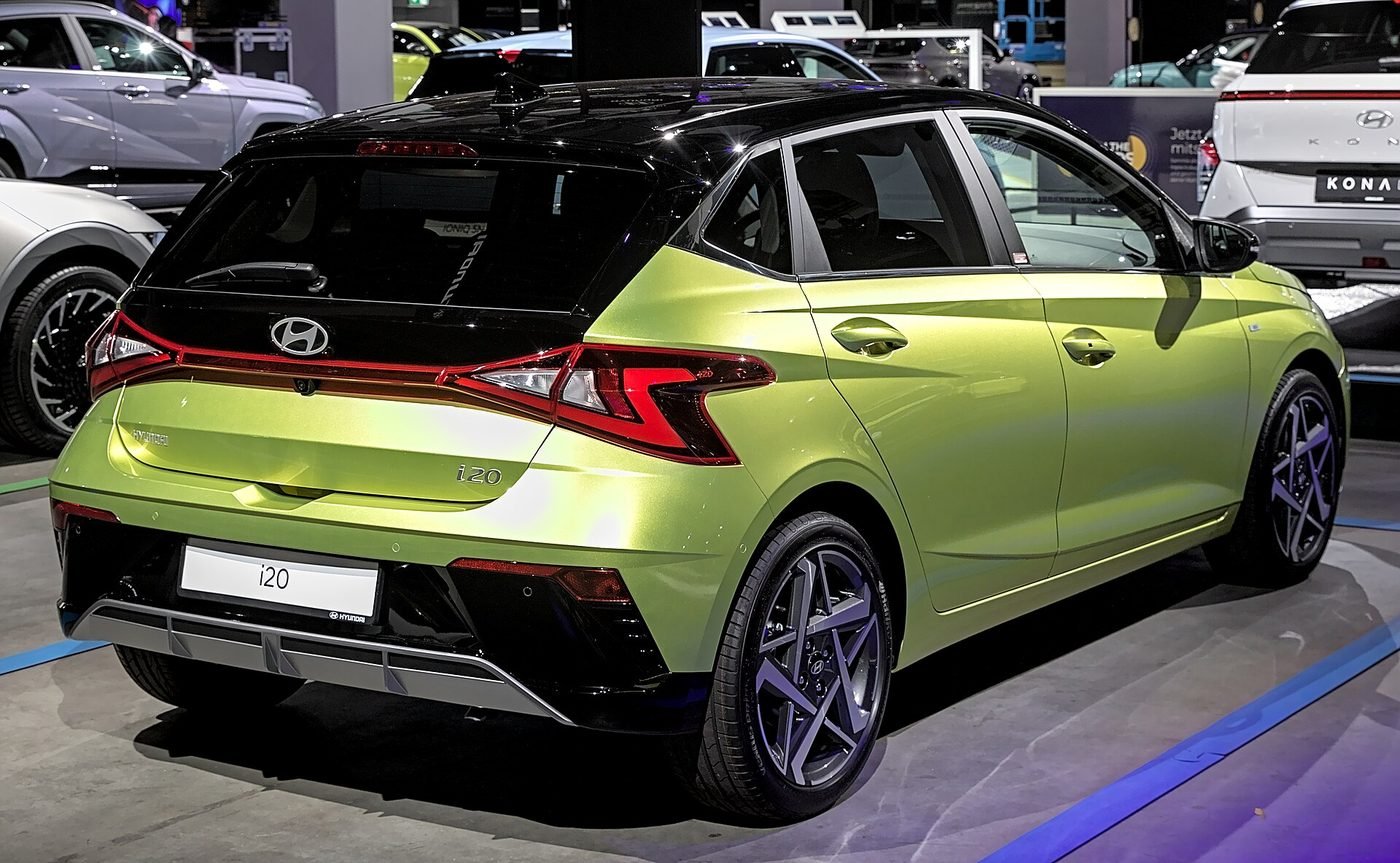
Hyundai i20 2021 review
Overview
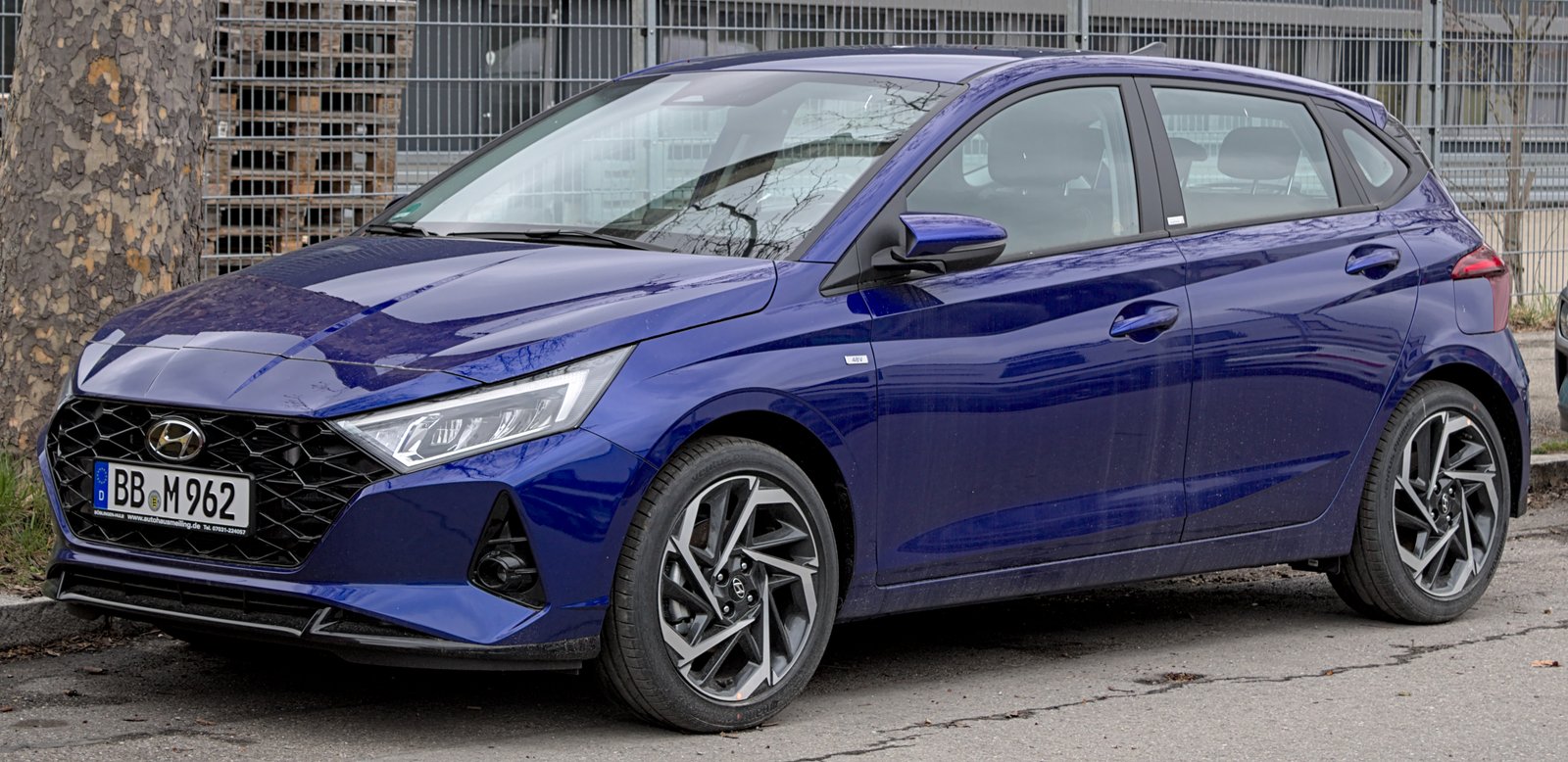
The third-generation Hyundai i20 (BC3) reached the UK in late 2020, and 2021 cars are the pick of the pre-facelift range: a genuinely sharp-looking supermini with Hyundai's Sensuous Sportiness styling, a grown-up cabin and the kind of technology that used to belong to cars a class above. This page covers the 1.0 T-GDi 48V Premium five-door manual — Premium was the mid-range trim at launch, priced from £20,795, with this exact variant later listed at £22,025.
The engine is a 998cc three-cylinder turbo petrol with a 48-volt mild-hybrid system, producing 100 PS (98 bhp) and 172 Nm, driving the front wheels through a six-speed manual gearbox (a seven-speed DCT automatic was also offered). Parkers quotes 0-60mph in 10.1 seconds and a 117mph top speed for this variant — note that 0-60 and 0-62 figures are different measures, and no official 0-62 figure for this exact variant was verified, so this page uses the verified 0-60 time. Official WLTP economy is 54.3mpg with 118g/km of CO2, and the 352-litre boot grows to 1,165 litres with the seats folded.
Premium trim is generously equipped: twin 10.25-inch displays for instruments and infotainment, heated front seats and steering wheel, rear parking sensors with a camera, and Hyundai's SmartSense safety suite. The i20's headline ownership benefit is its five-year/unlimited-mileage warranty when new, plus a five-year annual health check and 12-year anti-corrosion cover — a 2021 car may still be inside that warranty, which is a genuine used-buying advantage.
Safety needs an honest footnote: the i20 scored four stars from Euro NCAP in 2021, but the rating was applied from the closely related Bayon test rather than a separate i20 crash test. On a used car, check the 12V battery and start-stop operation (weak batteries and deactivated start-stop are reported on 2020-2023 cars), test the infotainment for slow navigation or Bluetooth drops and make sure software is up to date, test any DCT carefully in stop-start traffic for launch judder, and run the VIN past a Hyundai dealer for outstanding recalls rather than assuming the car is clear.
UK price from: £22,025
Specifications
| Engine | 1.0L 3-cylinder turbo petrol + 48V mild hybrid (998cc) |
| Power | 100 PS (98 bhp) |
| Torque | 172 Nm |
| 0-60 mph | 10.1 seconds |
| Top speed | 117 mph |
| Transmission | 6-speed manual (7-speed DCT optional) |
| Drive | Front-wheel drive |
| Fuel economy | 54.3 mpg combined (WLTP) |
| CO2 emissions | 118 g/km (WLTP) |
| Boot space | 352 litres (1,165 litres seats folded) |
| Kerb weight | 1,090 kg |
| Insurance group | 16 |
| Euro NCAP | 4 stars (2021, rating applied from Bayon test) |
| Warranty | 5 years / unlimited mileage when new |
Features
- 1.0-litre three-cylinder turbo petrol with 48V mild hybrid (100 PS, 172 Nm)
- Six-speed manual gearbox (seven-speed DCT optional)
- Front-wheel drive, Euro 6d
- Twin 10.25-inch displays (instruments and infotainment)
- Heated front seats and heated steering wheel (Premium)
- Rear parking sensors with reversing camera
- Hyundai SmartSense safety suite
- Five-year/unlimited-mileage warranty when new
Common parts & prices
| Part | Price (GBP) | Notes |
|---|---|---|
| Front brake pads (set) | £34.99 | Pattern part; typical UK retail |
| Front brake discs (pair) | £119.99 | Pattern part; discs + pads set typical |
| Oil filter | £11.99 | |
| Engine air filter | £17.99 | |
| Cabin pollen filter | £16.99 | |
| 12V battery | £124.99 | Mild-hybrid cars are sensitive to battery health |
Pros
- Five-year unlimited-mileage warranty is class-leading
- Twin 10.25-inch screens feel a class above
- Frugal mild-hybrid triple: 54.3mpg official
- Sharp styling with a roomy, well-built cabin
Cons
- Four stars, not five, from Euro NCAP (Bayon-based test)
- 12V battery and start-stop weakness reported
- DCT versions can judder at launch
- Rear-seat space is average for the class